
-
Address: Shahrah-e-Liaquat,
Serai Quarters 74000, Karachi -
Call Us: +92 319 3961178
Email Us: info@sshussain.com
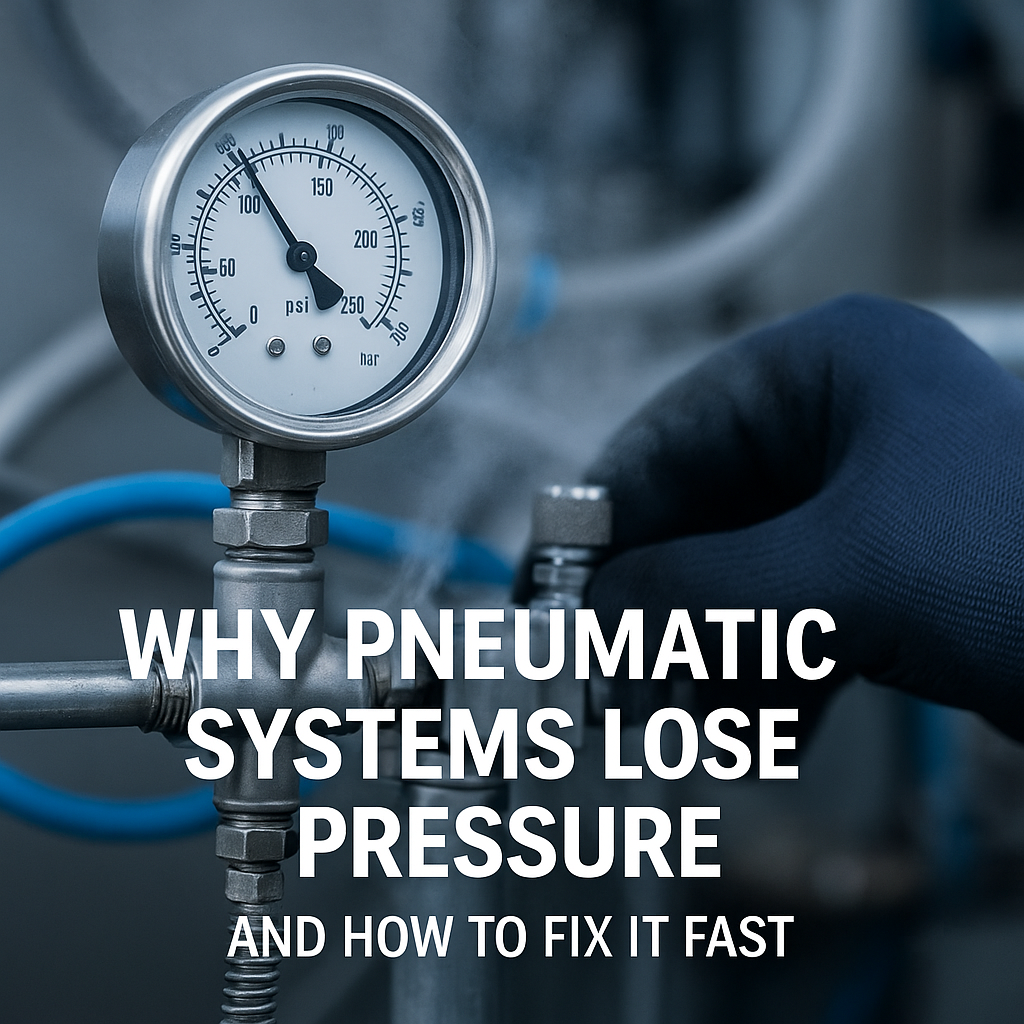
A pneumatic system uses air to power machines and tools. You’ll see these systems in factories, workshops, and many types of industrial equipment. They help move parts, lift loads, or run air tools. But when a pneumatic system loses pressure, things stop working properly. Tools feel weak, machines move slow, and jobs get delayed.
In this blog, we’ll explain why pressure loss happens, how to fix it quickly, and what small changes can help avoid future problems. Everything is explained in simple words for easy understanding.
What Happens When Pressure Drops in a Pneumatic System?
Air pressure is the main force behind a pneumatic system. If that pressure goes down, the system won’t work well. You might see these problems:
- Air tools lose power
- Machines move slower than usual
- Hissing sounds come from pipes or fittings
- Compressor runs all the time
- Extra energy gets used but performance stays low
Even small pressure loss can lead to big issues if not fixed in time. That’s why it’s important to know what causes it and how to fix it.
Common Reasons for Pressure Loss in Pneumatic Systems
1. Air Leaks
Leaks are the most common reason for Leaks are the number one cause of pressure loss in most pneumatic systems. These usually happen at joints, fittings, connectors, hoses, or old seals. Even a pinhole leak can cause a huge drop in efficiency over time.
You may not always hear the leak, but it’s there. A 1 mm hole in a 7 bar system can waste hundreds of liters of air in a day. That’s not just energy loss; it’s money going out of your system.
2. Worn Out or Broken Parts
Some parts inside the system can wear out over time. For example:
- Pistons
- Seals
- Valves
- O-rings
When these parts become loose, dry, or damaged, they start letting air out slowly. This kind of leak is harder to notice but it lowers pressure and affects performance.
3. Bad Piping Design
If the pipes in the system are too long, too narrow, or have too many bends, pressure can drop as air moves through. Sharp turns and small pipe sizes create friction, which slows the airflow and reduces pressure.
Many people ignore this when setting up their system. But it can cause big problems later.
4. Dirty or Blocked Filters
Air filters clean the air before it goes into the system. If these filters get dirty, they block airflow. This reduces air pressure and makes the compressor work harder.
A clogged filter is like a blocked nose. It limits how much air can pass through.
5. Compressor Overload
Sometimes, too many machines are connected to one system. The compressor cannot handle the load and can’t supply enough air. When this happens, pressure keeps dropping no matter how tight the system is.
This usually happens when factories or workshops grow, but don’t upgrade the air system.
How to Find Pressure Loss Quickly
Do a Visual Check
Look at all pipes, joints, hoses, and valves. If anything looks damaged, loose, or cracked, it might be leaking air. Also, check for dust or oil near joints — it can be a sign of leaks.
Use Soapy Water
Mix water with some dish soap and spray it on the suspected parts. If you see bubbles, it means there’s a leak. This method is simple and very effective.
Check Gauges
Install pressure gauges in different parts of the system. If one gauge shows much lower pressure than the others, there may be a leak or blockage in that section.
Use a Leak Detector
An ultrasonic leak detector is a tool that listens for air leaks. It helps find very small leaks quickly, even in noisy places. Many professionals use this tool to inspect systems faster.
How to Fix Pressure Loss Fast
Tighten Loose Parts
Use a wrench to tighten any loose connectors or fittings. Don’t make them too tight, as that can damage the threads. Just make sure everything is firm and sealed properly.
Replace Old Seals and O-Rings
Rubber seals and O-rings get dry, cracked, or flat with time. Replace them with new ones. This small fix can solve many air leak problems.
Clean or Change Filters
If a filter is dirty or full of dust, clean it or replace it. Do this regularly to make sure air flows freely and the system works properly.
Fix or Change Bad Pipes
If a pipe is cracked, rusted, or bent, replace it. Also, if your system has long or narrow pipes, consider upgrading to shorter or wider ones. Smooth pipes with fewer bends reduce friction and help maintain pressure.
Service the Compressor
If the compressor is always running but pressure still drops, it may be weak or damaged. Get it checked by a technician. If it’s too small for your current setup, it may be time to upgrade to a bigger one.
Smart Tips to Keep Pressure Stable
These are some lesser-known but helpful ways to prevent pressure loss:
Add Flow Regulators
Flow regulators help control how fast the air moves, not just how much pressure is there. This helps machines work more smoothly.
Use a Buffer Tank
A buffer tank stores extra air. When the system needs more air suddenly, the tank supports the compressor. This helps stop pressure drops during high usage.
Check Temperature
Cold weather can shrink rubber parts and create leaks. Hot weather can dry out seals and hoses faster. Try to keep the system in a normal temperature area to reduce problems.
Use Quality Fittings
Cheap plastic fittings break easily or leak more. Using better quality fittings made of brass or steel can reduce long-term leaks.
Test After Every Repair
After fixing any leak, always run a pressure test. Turn on the system, let it build pressure, and turn it off. Wait 10–15 minutes. If the pressure drops, the system still has a leak somewhere.
Why Fixing Pressure Loss Is Important
If your pneumatic system is losing pressure, you’re losing more than just air. You’re losing:
- Tool power
- Machine performance
- Time
- Electricity
- Money
Over time, pressure loss increases repair costs, damages machines, and slows down your work. But the good news is, most pressure issues are easy to fix if caught early. Small checks and fast repairs can prevent big problems later.
Conclusion
Air pressure loss in pneumatic systems leads to higher costs, lower efficiency, and faster wear. Most issues like leaks or worn parts are preventable with regular checks and proper maintenance.
If your system is losing pressure, don’t wait for it to affect your operations. SS Hussain offers expert support, high-quality pneumatic components, and maintenance guidance to keep your system running at full strength. Reach out today for reliable solutions that save time, energy, and money.