
-
Address: Shahrah-e-Liaquat,
Serai Quarters 74000, Karachi -
Call Us: +92 319 3961178
Email Us: info@sshussain.com
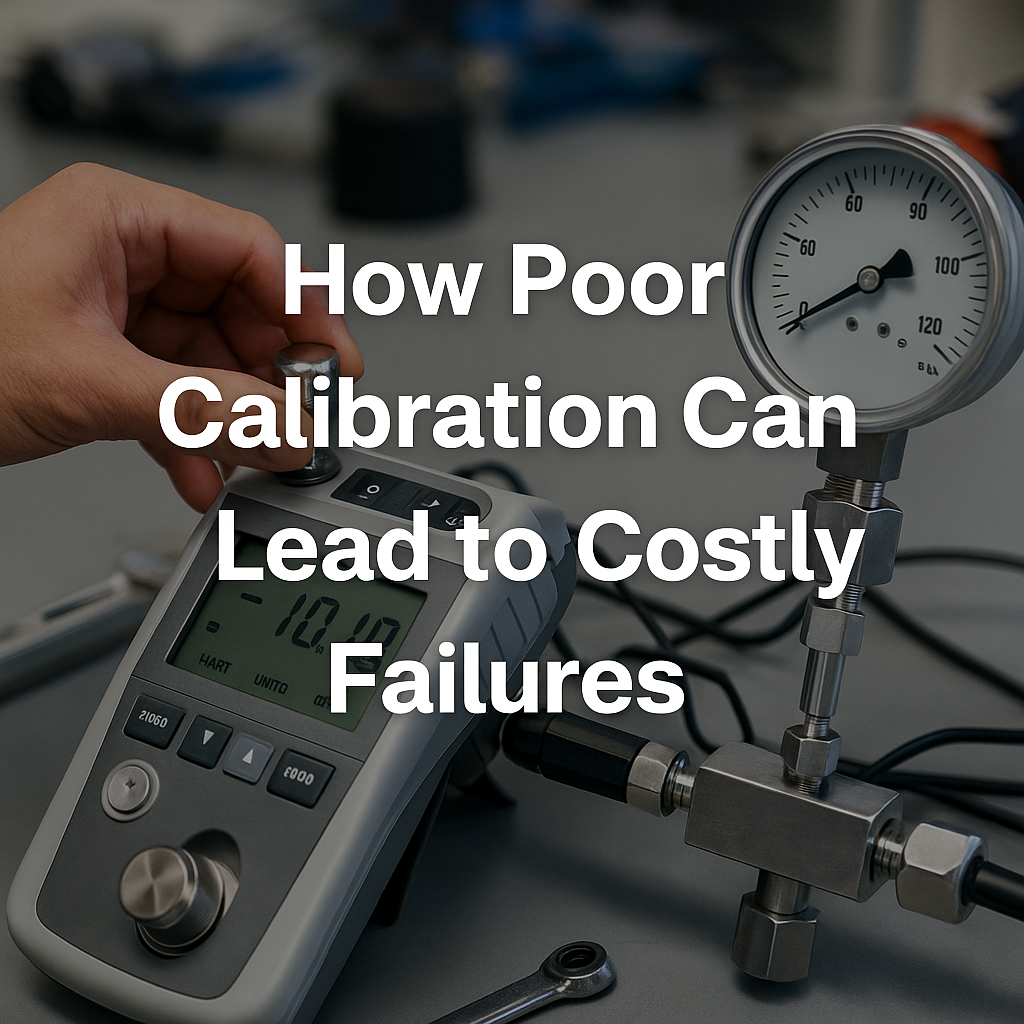
In any industry where tools, machines, or industrial instruments are involved, calibration plays a key role. It may seem like a small technical step, but skipping it or doing it incorrectly can cause serious issues. From faulty measurements and product failures to safety risks and financial losses, poor calibration can lead to outcomes no business wants to deal with.
In this blog, we’ll explore how poor calibration affects industries, what it can lead to, and why regular and accurate calibration is essential.
What Is Calibration?
Calibration means checking and adjusting a tool or device to make sure it gives correct results. This is done by comparing it with a standard that we know is accurate.
For example, if you put a 1kg weight on a scale, it should show exactly 1 kg. If it shows more or less, the scale needs calibration.
This applies to many tools like pressure gauges, temperature sensors, lab balances, and flow meters used in factories. Over time, these tools can start giving wrong readings because of regular use, heat, dust, shaking, or just age.
Calibration fixes that problem by setting the tool back to the correct reading.
Why Calibration Matters in Day-to-Day Operations
Many businesses need accurate tools to keep things running smoothly. In fields like manufacturing, healthcare, oil and gas, aviation, and even food production, one wrong reading can create big problems.
Take a factory that fills bottles, for example. If the flow meter isn’t calibrated, it might fill some bottles with too much liquid and others with too little. That means wasted product or wasted packaging. If this keeps happening every day, the losses can add up fast.
In hospitals, equipment like ventilators or medicine pumps must give exact doses. If they aren’t calibrated properly, the patient could get too much or too little medicine, which is dangerous.
Even simple tools like thermometers in food storage need to be accurate. If the temperature isn’t right, the food can spoil.
So, small calibration issues can grow into serious problems over time.
Common Issues Caused by Poor Calibration
There are several real-world problems that can occur if calibration is ignored or poorly done.
- Wrong Readings
The most basic issue is getting incorrect data. If a tool shows the wrong value, then every decision made using that data can go wrong too. This affects how things are made, checked, and delivered. - Defective Products
In factories, if tools like torque wrenches aren’t properly calibrated, they might tighten bolts too much or too little. That can weaken the product and cause it to fail during use. - Safety Risks
Tools like pressure gauges, gas detectors, and temperature sensors must be accurate. If they aren’t, workers might miss warning signs. This can lead to serious accidents like leaks or explosions. - Trouble with Rules and Audits
Many industries have rules that require regular calibration. If your equipment isn’t calibrated or the records are missing, it could fail an audit. That may lead to fines or even a shutdown. - Wasting Money on Repairs
If a sensor gives false alarms due to poor calibration, you might end up fixing or replacing parts that didn’t need any work. This adds extra cost for no real reason. - Customer Complaints
If your product isn’t made with the right settings, customers can notice the difference. That can lead to complaints, returns, and damage to your company’s reputation.
Lesser-Known Effects of Poor Calibration
While most people understand the basics, there are deeper problems that businesses often overlook:
Sensor Errors Get Worse Over Time
When tools and sensors are used for a long time without recalibration, they slowly start giving more and more wrong readings. This isn’t always easy to notice right away. But if many tools depend on each other, one small error can affect all of them.
Systems Can’t Always Spot the Mistake
Today, many industries use machines and software to handle everything. These systems trust the readings from sensors. But if a sensor is not calibrated, the software keeps using bad data and doesn’t know it’s wrong. This makes the mistake feel normal, even when it’s not.
Wasted Energy and High Costs
In places like power plants or air conditioning systems, sensors control how much energy is used. If those sensors aren’t accurate, the system might work harder than needed. That means higher electricity bills without better results.
Slower Progress in Labs and Product Testing
When companies test new products or do research, they need accurate readings. If the data is wrong, their tests fail or give false results. This can delay important projects and waste time solving problems that don’t even exist.
Calibration and Business Reputation
A good reputation doesn’t come just from ads or low prices. It comes from doing things right every time. If your business starts sending out faulty products or services—even once in a while—customers begin to lose trust. And many times, the reason behind those faults is poor calibration.
In sensitive industries like aerospace, defense, or medicine, even a small mistake caused by bad calibration can turn into a big problem. It can make the news, damage trust, delay projects, and make it harder to get future contracts. That’s why big companies follow a strict calibration routine.
Signs Your Equipment Needs Recalibration
Even if your device is working, it might not be accurate. Some warning signs include:
- Products consistently failing quality tests
- Instruments giving different readings each time
- Your calibration certificate is expired
- Device was dropped, moved, or exposed to extreme temperatures
- You’ve changed your work process or environment
If any of these apply, it’s time to check your calibration status.
Best Practices to Avoid Calibration Failures
Here are some ways to make sure your business doesn’t suffer due to poor calibration:
Choose Trusted Calibration Services
Not all calibration is the same. Always go with a service that follows global standards and gives proper certificates. That way, you can trust the results.
Keep a Calibration Schedule
Every tool should be checked on time. Use a logbook or software to track when each device needs recalibration. Don’t wait for things to break before you check them.
Teach Your Staff
Your team should know why calibration matters. If they don’t understand it, they might ignore problems or miss warning signs.
Store Tools the Right Way
Measuring tools need good care. Keep them in places where they’re safe from heat, moisture, dust, and shaking.
Check Calibration Records Regularly
It’s not enough to just file certificates. Go through them often and make sure no tool is overdue for calibration. This helps you stay ready for audits and avoid unexpected issues.
Final Thoughts
Poor calibration is one of the biggest routes to causing big problems and serious damages. From wrong readings and product defects to safety risks and extra costs, the damage adds up fast. It also affects your company’s trust, quality, and future growth.
The best way to avoid all this is simple: keep your tools calibrated, keep your records updated, and make calibration part of your regular routine.
At SS Hussain, we help businesses stay on track with reliable calibration services you can count on. Whether it’s one tool or a full setup, we make sure everything works the way it should—so you don’t face costly surprises later.
Need expert calibration support? Reach out to SS Hussain today and keep your operations running smoothly.