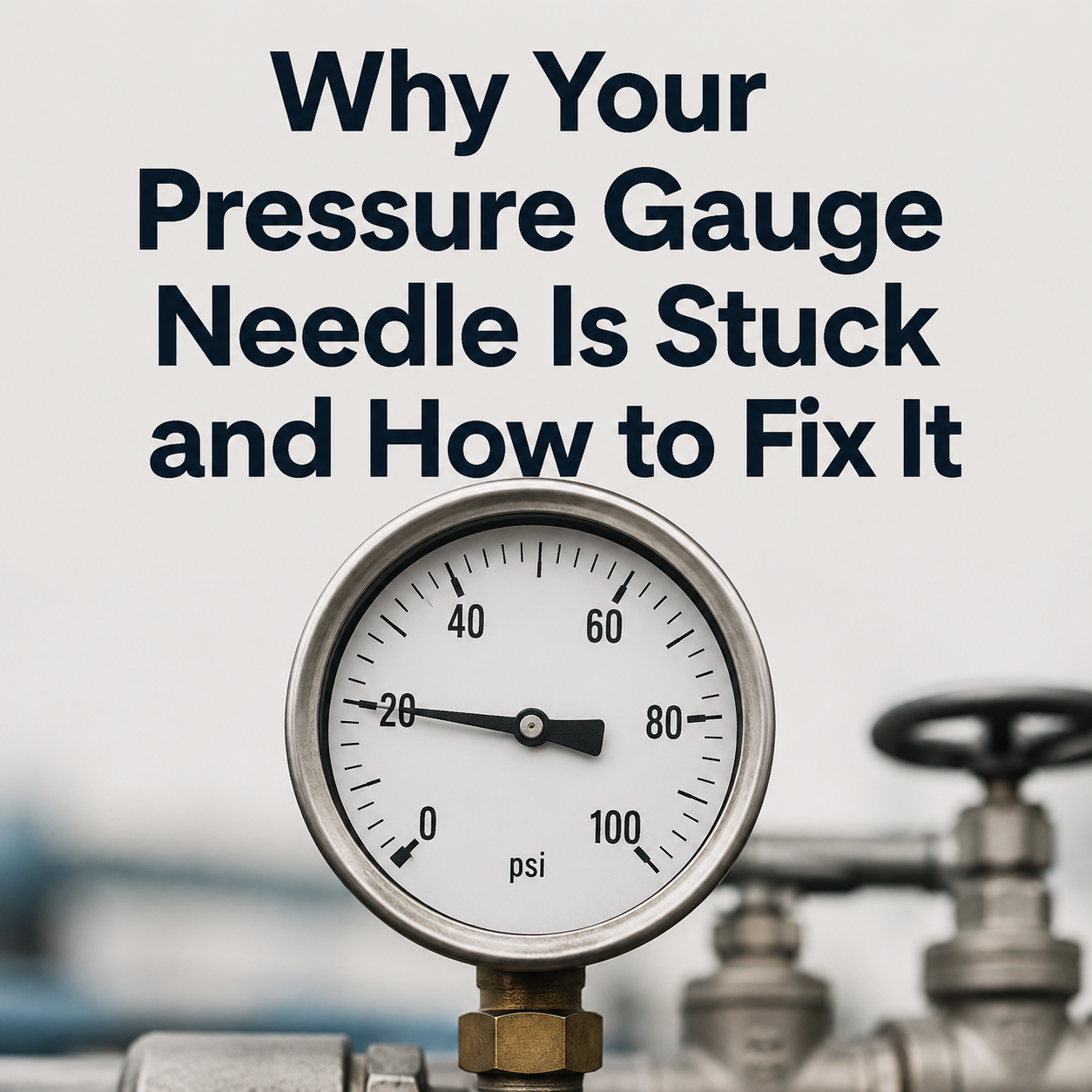
You check the pressure gauge for a quick reading, but the needle refuses to move. Now you’re left guessing if the pressure is actually steady or if the gauge has stopped doing its job. That small needle can tell you a lot, and when it gets stuck, it is usually trying to tell you something

-
Address: Shahrah-e-Liaquat,
Serai Quarters 74000, Karachi -
Call Us: +92 319 3961178
info@sshussain.com
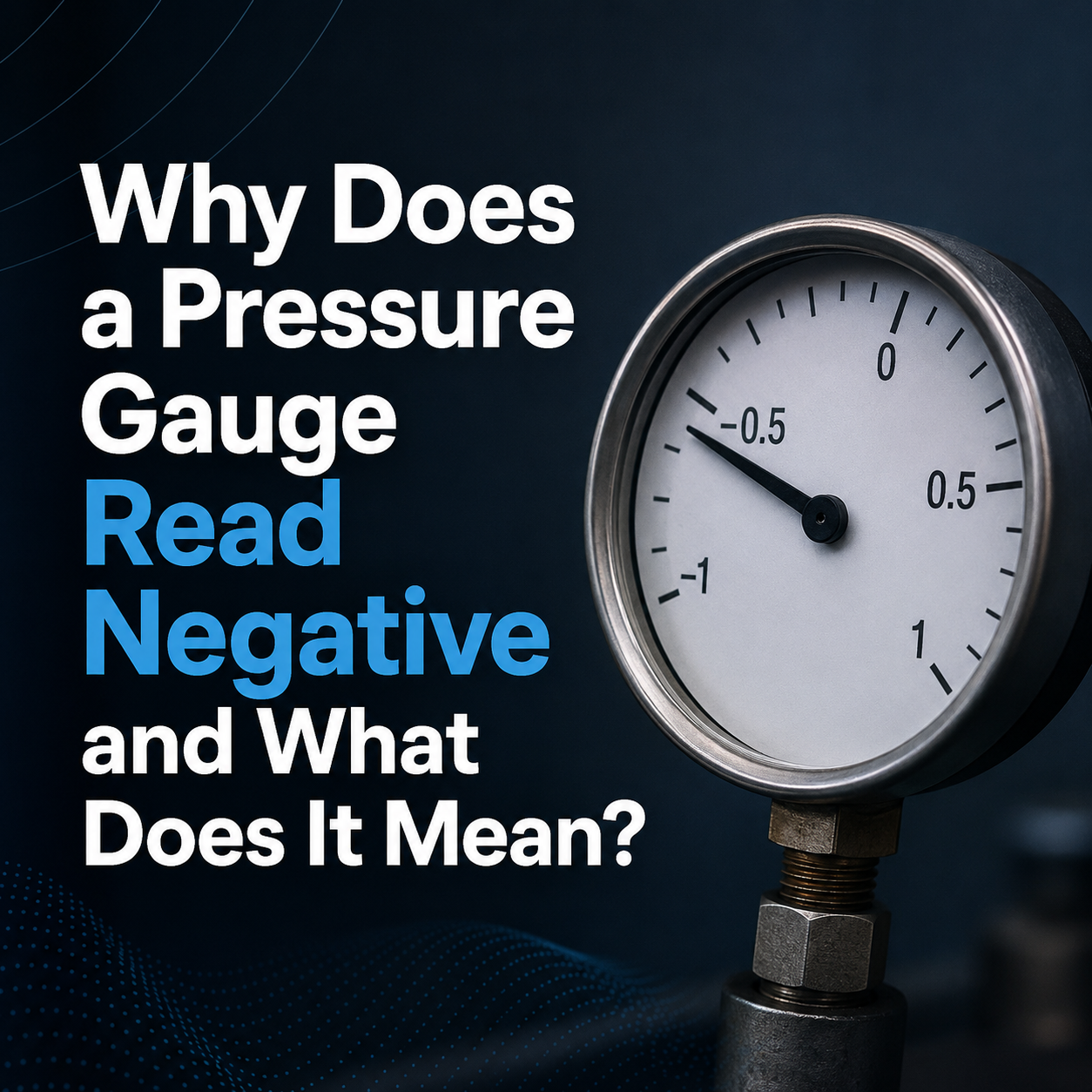
Why Does a Pressure Gauge Read Negative and What Does It Mean?
You check a pressure gauge expecting a normal reading, but the needle is sitting below zero. Your first thought is probably, “Something’s broken.” Surprisingly, that’s often not the case. A pressure gauge reading below zero can be completely normal. The real challenge is knowing when it’s part of the process and when it’s warning you

sshussainadmin
sshussainadmin
Radar vs Ultrasonic Level Sensors: What’s the Difference?
Picking a level sensor sounds simple until you realize two sensors that look almost identical can give completely different results in the same tank. One keeps delivering accurate readings day after day, while the other starts showing numbers that don’t quite make sense. The reason usually isn’t the sensor itself. It’s choosing the wrong technology
sshussainadmin
sshussainadminHow to Control the Speed of a Pneumatic Cylinder
A pneumatic cylinder can make or break the way a machine performs. When it moves at the right speed, everything feels smooth and controlled. When it doesn’t, you’ll notice hard impacts, shaky movement, damaged parts, or slower production. The good news is that fixing the speed is usually much easier than replacing expensive components. A
sshussainadmin
sshussainadminWhy a Solenoid Valve Hums or Buzzes and How to Fix It
You hear a buzzing sound, glance at the solenoid valve, and think, “It still works, so it can wait.” A week later, the noise is louder. Then the valve starts sticking, the machine slows down, or everything stops at the worst possible time. That little buzz is usually the valve asking for attention. Catch it
sshussainadmin
sshussainadmin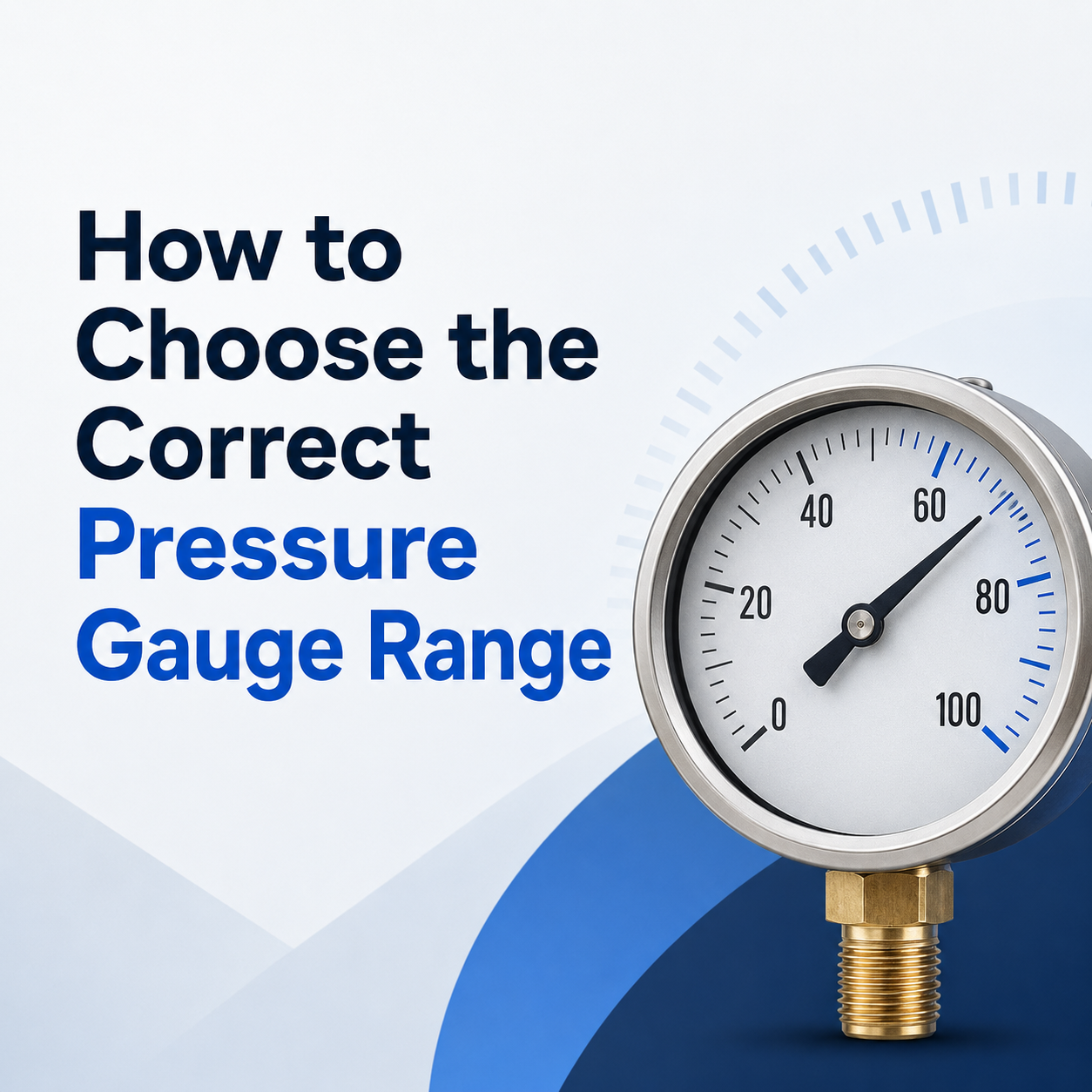
How to Choose the Correct Pressure Gauge Range
A pressure gauge can tell you a lot in just a quick glance, but only if the range is right. Choose the wrong range, and important pressure changes can be hidden in plain sight. Choose the right one, and the gauge becomes a useful tool for spotting issues early, improving performance, and avoiding unnecessary downtime.
sshussainadmin
sshussainadmin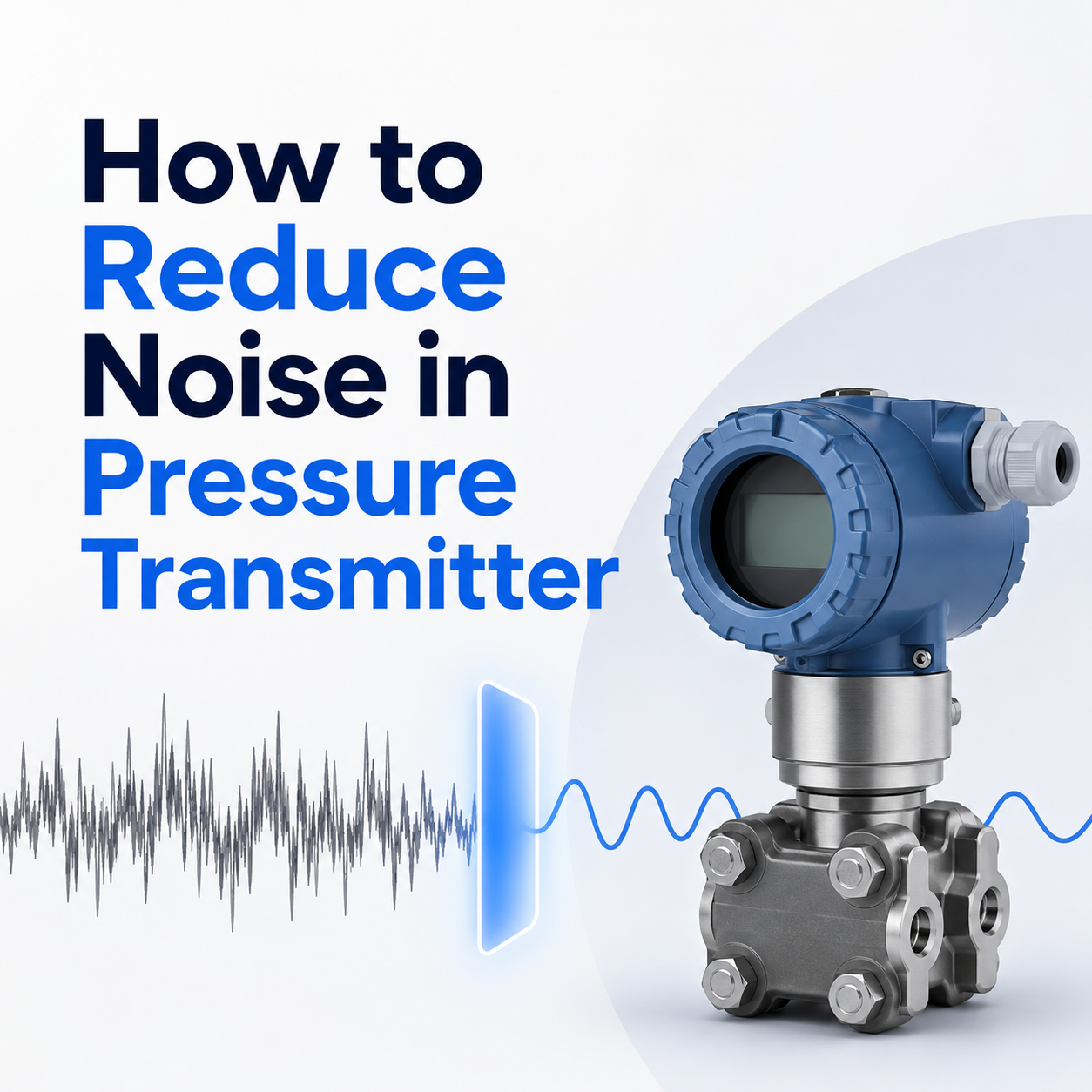
How to Reduce Noise in Pressure Transmitter
A pressure transmitter can be one of the most reliable instruments in a plant, yet a small signal fluctuation can send a maintenance team on a long troubleshooting journey. One day the readings are stable. The next day they start jumping around, triggering alarms and creating confusion. The good news is that noisy pressure transmitter
sshussainadmin
sshussainadmin
Common Causes of Hygrometer Failure
A hygrometer can be sitting on the wall, showing numbers all day, and still be giving the wrong readings. That is what makes hygrometer problems tricky. Unlike a broken instrument that stops working completely, a failing hygrometer often keeps running while its accuracy slowly slips away. By the time someone notices, humidity levels may have
sshussainadmin
sshussainadmin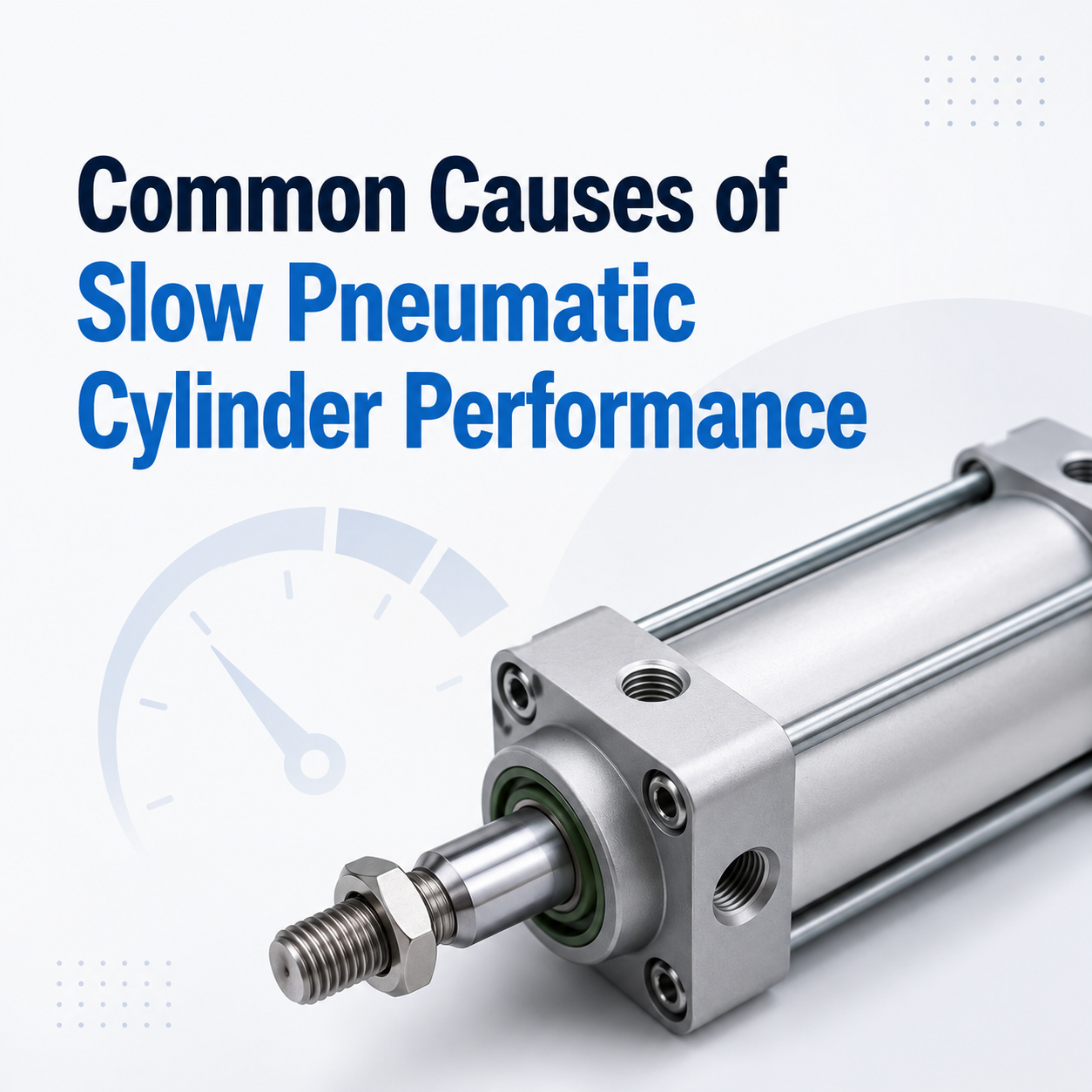
Common Causes of Slow Pneumatic Cylinder Performance
One day a pneumatic cylinder moves exactly as it should. The next day, the machine feels slower, cycle times start increasing, and production is no longer running at its usual pace. The frustrating part is that everything may look normal at first glance. The compressor is running, air pressure seems fine, and the cylinder is
sshussainadmin
sshussainadmin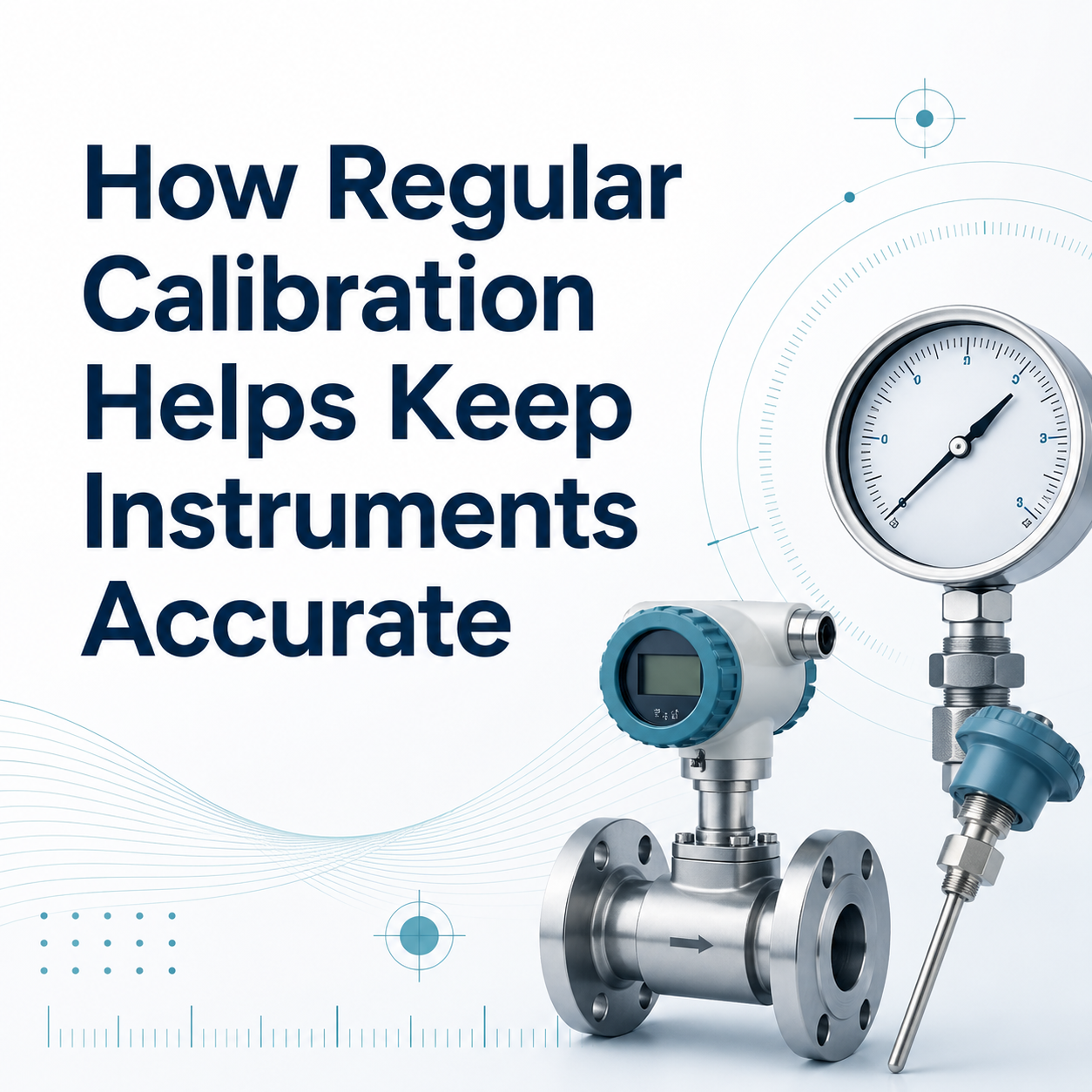
How Regular Calibration Helps Keep Instruments Accurate
Over time, even tiny measurement errors might add up to a significant amount. When flow meters, pressure gauges, or temperature sensors are even slightly off, it can have a significant impact on production, waste, and safety. Calibration makes sure that those readings are always right, which keeps your process under control. Calibration involves checking an
sshussainadmin
sshussainadmin
Why a Hygrometer Is Important for Consistent Conditions
You can control temperature easily. Humidity is the part that keeps shifting in the background and quietly affects results. That is where a hygrometer comes in. It gives you a clear reading of moisture in the air so you can keep conditions steady instead of reacting after something goes wrong. Once you start tracking humidity,
sshussainadmin
sshussainadmin
Tips to Get Better Results from a Flow Meter
Flow meters are supposed to give clear and stable readings. When they don’t, it slows everything down. You start double-checking numbers, comparing data, and trying to figure out what went wrong. In most cases, the issue is not the meter itself. It usually comes down to setup, flow conditions, or small details that are easy