
-
Address: Shahrah-e-Liaquat,
Serai Quarters 74000, Karachi -
Call Us: +92 319 3961178
Email Us: info@sshussain.com
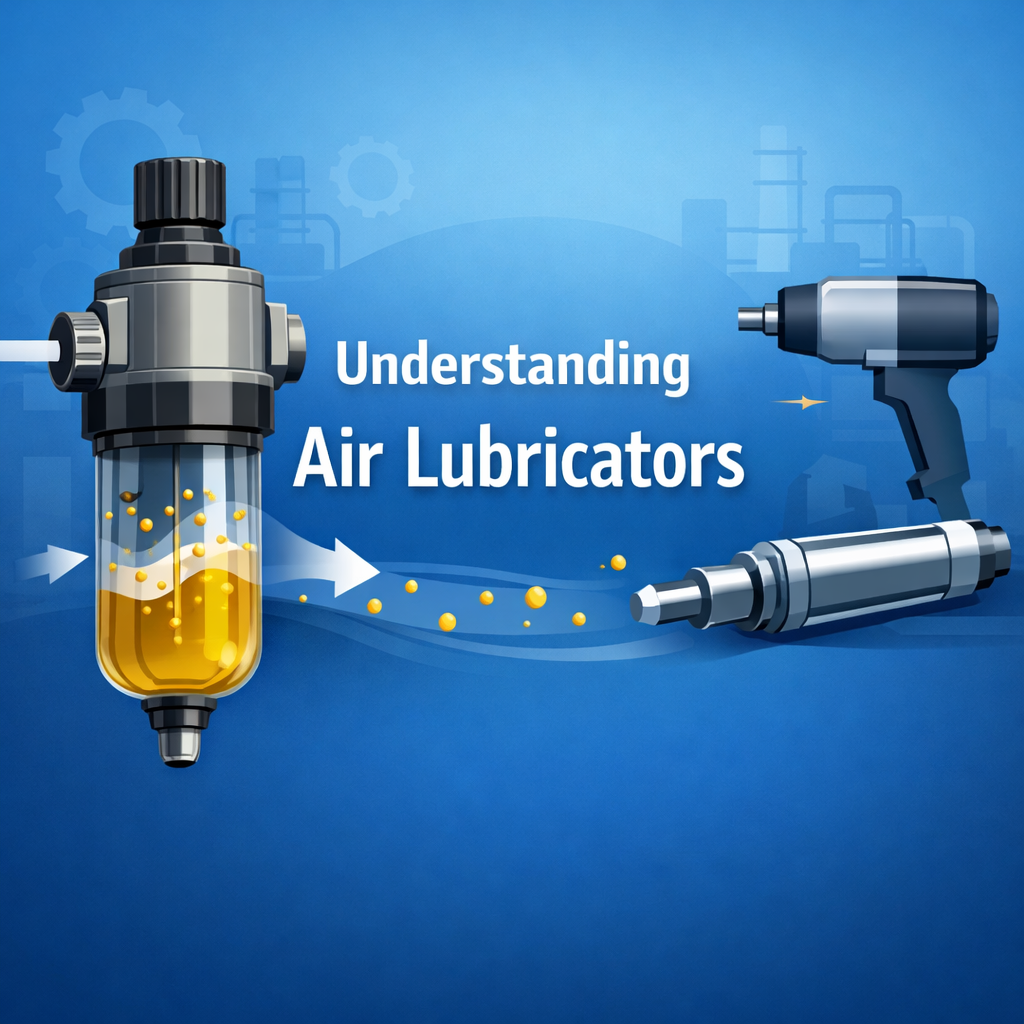
Compressed air powers countless pneumatic tools and machines, but the air itself carries no lubrication. As systems run hour after hour, this lack of oil slowly increases friction, wear, and performance issues.
This is where an air lubricator comes in. By introducing a controlled amount of oil into the airflow, it helps pneumatic components stay protected while operating, keeping movement smooth and equipment reliable in continuous industrial environments.
What an air lubricator does inside a compressed air system
In a compressed air system, air alone is dry. That dry air flows through valves, cylinders, and air tools that contain moving parts. Over time, friction builds up and parts start wearing out.
An air lubricator solves this by introducing a fine oil mist into the compressed air. As the air travels through the system, the oil reaches internal surfaces that need lubrication. This keeps parts moving freely and helps seals stay flexible.
Most air lubricators are installed after the air filter and pressure regulator so the air is already clean and stable before oil is added.
Why pneumatic tools and cylinders rely on air lubrication
Pneumatic tools and cylinders move fast and repeat the same motion again and again. Pistons slide, valve spools shift, and seals expand and contract thousands of times in a single day.
Without lubrication, these parts rub directly against each other. This causes friction, heat, and early wear. Lubricated air forms a thin protective layer that reduces contact between surfaces.
With proper air lubrication, tools respond better, cylinders move smoothly, and systems stay consistent during long operating hours.
How an air lubricator mixes oil with compressed air
Inside an air lubricator, compressed air passes through a narrow section that increases air speed. This change creates a pressure difference inside the unit.
That pressure difference pulls oil from the lubricator reservoir into the airflow. The oil breaks into very small droplets and mixes evenly with the compressed air.
As air demand increases, oil delivery increases naturally. This helps keep lubrication balanced even when system usage changes during operation.
What happens when lubricated air reaches equipment
Once lubricated air reaches pneumatic equipment, the oil spreads across internal moving parts. Pistons glide more easily, valves shift without sticking, and seals maintain proper contact.
This smooth movement improves tool control and keeps machine cycles steady. In automated systems, lubrication helps maintain timing accuracy and reduces unexpected stops caused by friction.
Over time, equipment that receives proper air lubrication shows less internal damage compared to systems running on dry air.
Where air lubricators are commonly used
Air lubricators are widely used in manufacturing plants, assembly lines, workshops, and packaging facilities. They support air cylinders, control valves, air motors, and hand tools such as impact wrenches and grinders.
They are especially useful in systems where equipment runs continuously across multiple shifts.
Some applications avoid air lubricators. Food processing, pharmaceutical production, and clean room environments often require oil free compressed air to prevent contamination.
How to select the right air lubricator for your application
Choosing the right air lubricator depends on airflow rate, system pressure, and the type of pneumatic equipment being used. The lubricator must match the system’s air consumption so airflow remains stable.
Oil selection also matters. Pneumatic oil is designed to atomize properly and protect seals. Using thick or unsuitable oil can block internal passages and affect performance.
Placement plays a role as well. Installing the lubricator close to the equipment improves oil delivery, especially in systems with long air lines.
How much oil a compressed air system actually needs
Pneumatic systems do not need heavy oiling. A small, steady amount is usually enough to keep parts protected.
Too much oil can collect inside air lines and attract dust, leading to sticky buildup inside valves and tools. Too little oil reduces protection and increases wear.
Most air lubricators include a sight window so oil flow can be checked during operation. Once the correct setting is reached, it stays stable unless air demand changes.
Common issues caused by incorrect air lubricator use
Running an air lubricator without oil is a common problem. When the reservoir empties, equipment suddenly operates dry, which speeds up wear.
Mixing different oil types during refilling can change oil behavior and affect mist formation. This leads to uneven lubrication.
Incorrect installation order is another issue. Lubricators should always be installed after air filters to avoid dirt and moisture mixing with oil.
Simple maintenance that keeps air lubricators working well
Air lubricators require basic checks. Oil levels should be inspected regularly, especially in systems with continuous air flow. Lubricator bowls should be cleaned to remove old oil residue.
Fittings and seals should be checked for leaks, as leaks affect oil delivery accuracy. In colder environments, using the correct oil grade helps maintain steady oil flow.
These simple steps support consistent lubrication and reduce system problems.
When adding an air lubricator makes sense
Air lubricators are most effective in systems with continuous pneumatic motion. Automation lines, production machinery, and heavy use air tools benefit the most.
Occasional use tools or simple air blow applications often do not require lubrication. Understanding how often equipment runs helps decide whether an air lubricator is needed.
Conclusion
Air lubricators play a quiet but steady role in keeping pneumatic systems running smoothly. When oil flow is controlled and matched to your equipment, tools last longer, motion stays consistent, and maintenance becomes easier to manage.
If you want your compressed air system to work reliably day after day, choosing the right air lubricator matters. SS Hussain supplies industrial air lubricators built for stable performance and long operating hours. Get in touch with us to find the right fit for your setup and keep your pneumatic equipment running the way it should.
FAQs
How does an air lubricator affect air pressure in a pneumatic system?
An air lubricator does not significantly reduce air pressure when it is correctly sized for the system. Pressure drop usually happens only when the lubricator is too small for the airflow or when oil buildup blocks internal passages. Proper sizing and regular cleaning keep pressure stable.
Can an air lubricator damage pneumatic equipment if adjusted incorrectly?
Yes, incorrect adjustment can cause problems. Too much oil can lead to residue buildup inside valves and cylinders, while too little oil leaves parts unprotected. Correct adjustment allows a light oil mist that protects components without causing blockages or contamination.
Is it possible to use an air lubricator with modern pneumatic equipment?
Many modern pneumatic components are designed to work with or without lubrication. When lubrication is used, it must be consistent. Once an air lubricator is added, it should not be removed unless equipment is cleaned and switched to oil free operation, as seals adapt to lubricated conditions.
How do you know if an air lubricator is actually working?
Most air lubricators include a sight window where oil drops can be seen entering the airflow during operation. If air is flowing and oil movement is visible, the lubricator is working. No visible oil flow usually indicates empty oil, blockage, or incorrect adjustment.