
-
Address: Shahrah-e-Liaquat,
Serai Quarters 74000, Karachi -
Call Us: +92 319 3961178
Email Us: info@sshussain.com
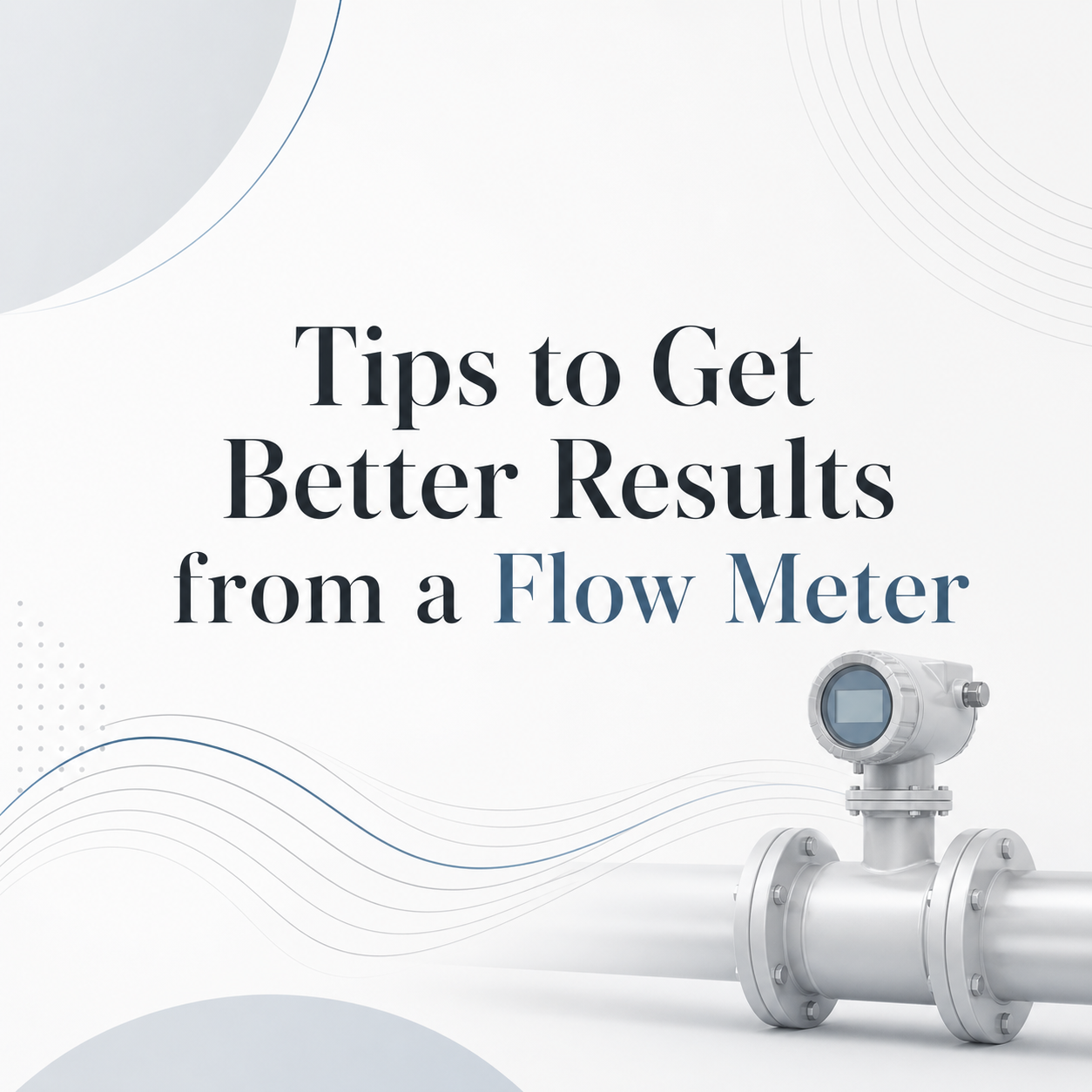
Flow meters are supposed to give clear and stable readings. When they don’t, it slows everything down. You start double-checking numbers, comparing data, and trying to figure out what went wrong.
In most cases, the issue is not the meter itself. It usually comes down to setup, flow conditions, or small details that are easy to miss. Once those are fixed, readings become stable and reliable again.
This blog covers some of the best and simple ways to improve flow meter accuracy without overcomplicating things.
What does a flow meter measure and why do readings change?
A flow meter measures how much liquid or gas passes through a pipe over time. Some measure volume, others measure mass. The method depends on the type of meter being used.
Readings change when the flow itself changes. If the pipe is not full, if air enters the line, or if the flow is uneven, the meter reacts to that. Temperature and pressure also affect how fluids behave, which changes the reading.
So if your flow meter readings are inconsistent, the first step is to check what is happening inside the pipe.
How to choose the right flow meter for better accuracy
The type of flow meter should match the fluid and the working conditions.
Magnetic flow meters are suitable for water and conductive liquids. They are widely used in water treatment and industrial processes. Turbine flow meters work well with clean liquids, but dirt or particles can affect their movement. Ultrasonic flow meters are useful when you do not want to cut the pipe, but they need a full pipe and a clean signal path.
Flow range also matters. A meter that is too large may not read low flow properly. A correctly sized meter performs better during normal operation.
Why installation affects flow meter accuracy
Installation has a direct impact on performance.
Flow needs to be stable before it reaches the meter. If the meter is installed near bends, valves, or pumps, the flow becomes uneven. This leads to fluctuating readings.
Keeping a straight section of pipe before and after the meter helps stabilize the flow. A common guideline is ten pipe diameters before and five after.
Also, avoid areas with strong vibration. Vibration affects both the sensor and the signal.
How to keep the pipe full for stable readings
Most flow meters require a full pipe to measure accurately.
If the pipe is partially empty, readings can drop or become unstable. This often happens in horizontal pipelines where air collects at the top.
Installing the meter in a vertical pipe with upward flow helps keep it full. If installed horizontally, placing it on the side of the pipe works better than placing it at the top.
Why air bubbles cause inaccurate flow meter readings
Air in the line affects how the meter reads flow.
Ultrasonic meters lose signal strength. Magnetic meters show noise. Turbine meters rotate unevenly.
Air usually enters through loose connections, low fluid levels, or leaks in suction lines. Fixing these points improves accuracy. In some cases, air separators are used to remove trapped air before it reaches the meter.
When and how to calibrate a flow meter
Calibration keeps readings aligned with actual flow.
Over time, sensors drift due to use and fluid conditions. Instead of relying only on a fixed schedule, it helps to check calibration based on how the meter is used.
If the process runs continuously or handles dirty fluids, calibration may be needed more often. Comparing the meter reading with a known volume is a simple way to check accuracy.
How deposits affect flow meter performance
Deposits build up inside pipes and on sensors.
Even clean fluids can leave a thin layer over time. This layer changes how the meter responds to flow.
In turbine meters, deposits slow down rotation. In magnetic meters, they affect signal detection. Regular cleaning helps maintain accurate readings.
If readings gradually change over time, deposits are often the cause.
How temperature and pressure impact flow readings
Fluid properties change with temperature and pressure.
Liquids become less viscous when heated. Gases expand when temperature rises. These changes affect flow measurement.
Using a flow meter designed for your operating range helps keep readings stable. For gas flow, temperature and pressure compensation improves accuracy.
Why wiring and grounding affect digital flow meters
Electrical setup affects signal quality.
If signal cables are placed near motors or power lines, electrical noise can interfere with readings. This shows up as spikes or unstable values.
Using proper grounding and shielded cables reduces this issue. If readings change when nearby equipment starts, the wiring should be checked.
How flow patterns inside the pipe affect results
Flow inside a pipe is not uniform.
It moves faster in the center and slower near the walls. Bends and fittings disturb this pattern.
Straight pipe sections help stabilize the flow. In more sensitive setups, meters that measure across multiple points give better results.
What is zero error in a flow meter?
Zero error happens when the meter shows a reading even when there is no flow.
This small error adds up over time and affects total measurements. Most flow meters allow zero adjustment. Setting it correctly when there is no flow helps maintain accuracy.
How to use flow data to detect problems early
Looking at flow over time helps identify issues.
A gradual drop in flow may indicate build-up or blockage. Sudden changes may point to air or electrical interference.
Tracking data helps catch problems early and improves overall performance.
Final thoughts
Better flow meter results come from correct setup, stable flow, and regular checks. If readings are off, reviewing these areas step by step usually solves the issue.
If you want accurate flow measurement without guesswork, SS Hussain can help you set up and fine-tune your flow meter for consistent and reliable performance.
FAQs
How do I know if my flow meter is giving wrong readings?
If the readings keep changing without any real change in flow, or the total usage does not match expected output, the meter may be off. You can confirm this by comparing the reading with a known volume over time. If there is a clear difference, the issue could be calibration, air in the line, or installation position.
What causes sudden spikes in flow meter readings?
Sudden spikes usually come from air bubbles, electrical interference, or unstable flow. Air entering the line or cables placed near high-power equipment can create these jumps. Checking pipe conditions and wiring often helps fix this quickly.
Can pipe size affect flow meter accuracy?
Yes, pipe size has a direct impact. If the pipe is too large, the flow becomes too slow for accurate measurement. If it is too small, it creates pressure issues and turbulence. Matching the pipe size with the meter’s operating range improves accuracy and stability.