
-
Address: Shahrah-e-Liaquat,
Serai Quarters 74000, Karachi -
Call Us: +92 319 3961178
Email Us: info@sshussain.com
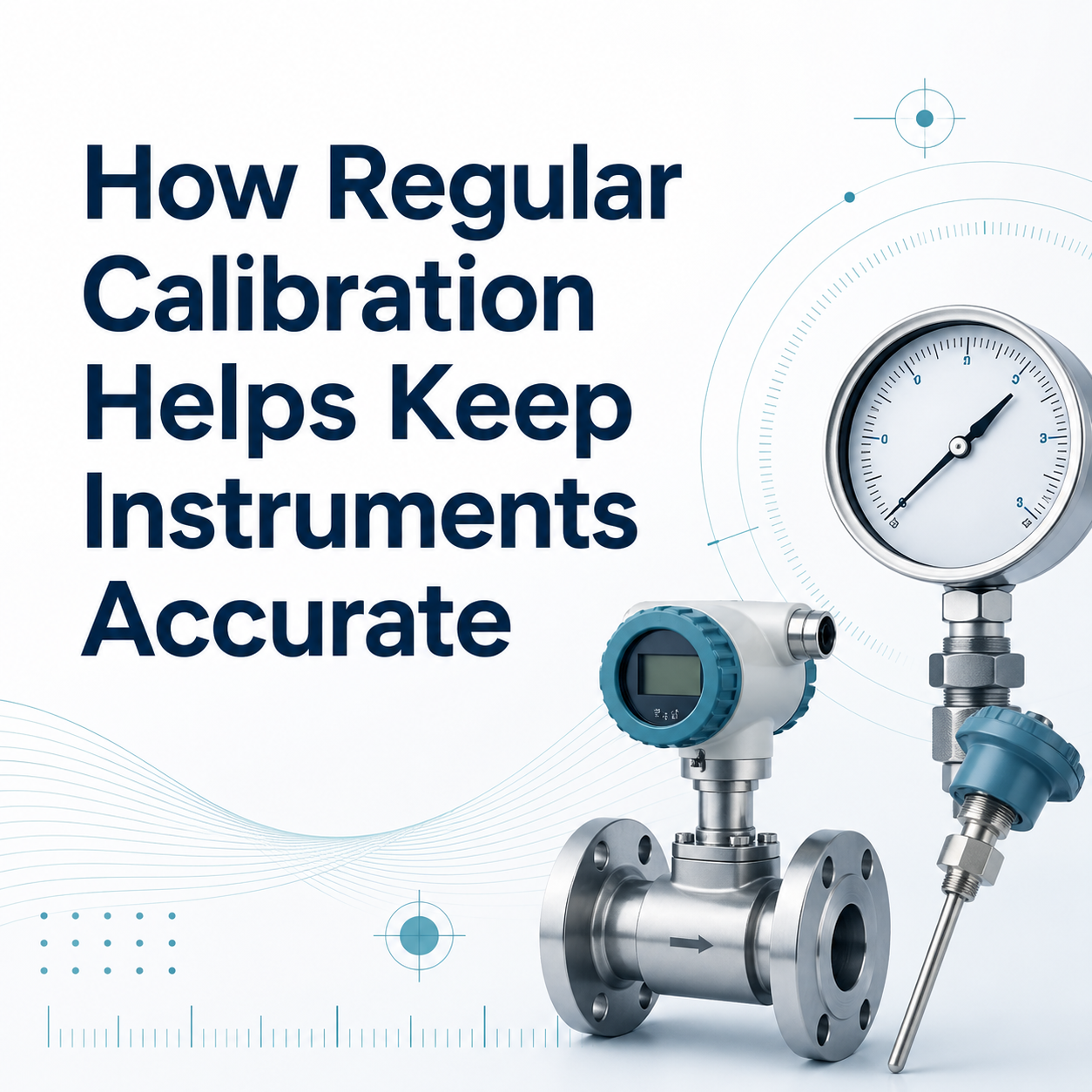
Over time, even tiny measurement errors might add up to a significant amount. When flow meters, pressure gauges, or temperature sensors are even slightly off, it can have a significant impact on production, waste, and safety. Calibration makes sure that those readings are always right, which keeps your process under control.
Calibration involves checking an instrument against a known standard and correcting it if necessary. It maintains measurement accuracy according to actual measurements, which is important for quality control and compliance.
What calibration means in practice
A calibration is a careful comparison. Your instrument is compared to a known standard, and any differences are adjusted.
For example, if a pressure gauge indicates 10 bar but the real pressure is 9.7 bar then that difference has to be adjusted. If the instrument is not calibrated, the inaccuracy carries on and will impact decisions that are based on that measurement.
This is true across industries where instrument calibration, flow meter calibration and temperature sensor calibration are part of the everyday operations.
Why instruments drift over time
All instruments drift. This is because to physical and environmental changes.
Changes in temperature affect internal parts. Materials expand and compress and so they change their normal position. Vibration from surrounding equipment might also affect the accuracy. Dust, moisture, and chemicals might affect a sensor’s effectiveness.
Even the electronic parts get old. Readings may be affected by small changes in signal output over time.
Drift occurs slowly, therefore it is not always visible. The display is stable but the measurement is not precise any longer.
How regular calibration keeps accuracy under control
Regular calibration corrects small errors before they grow. This keeps processes stable and predictable.
In a batching process, a small flow error changes the final mix. In temperature control, even a slight difference can affect product quality. In pressure systems, incorrect readings can lead to unsafe conditions.
Accurate instruments reduce the need for repeated adjustments. Operators can rely on the readings and keep processes consistent.
How often calibration should be done
Calibration intervals depend on usage and environment.
Instruments used continuously require more frequent checks. Equipment exposed to heat, dust, or vibration also needs shorter intervals.
A general guide:
| Usage Level | Calibration Interval |
| Continuous use | Every 3–6 months |
| Regular use | Every 6–12 months |
| Occasional use | Once a year |
These intervals should be adjusted based on actual performance. If an instrument shows rapid drift, it should be calibrated more often.
Signs that indicate calibration is needed
There are practical signs that show when an instrument may be out of calibration.
If readings change without any process change, it may indicate drift. If two instruments measuring the same value give different results, one of them is likely inaccurate.
Frequent operator adjustments can also signal measurement issues. Changes in product quality without a clear cause may also be linked to incorrect readings.
Digital instruments still require calibration
Digital displays do not eliminate the need for calibration.
Sensors inside digital instruments still face the same physical and electrical changes. The display may show a stable number, but the actual measurement may be off.
Built-in diagnostics can help monitor performance, but they do not replace proper calibration using a certified reference.
What a proper calibration process includes
A proper calibration checks the instrument across its full range, not just a single point.
Basic calibration steps
- Connect the instrument to a certified reference standard
- Test readings at multiple points across the range
- Record the difference between actual and measured values
- Adjust the instrument if needed
- Verify accuracy after adjustment
Two types of data are recorded. One shows the condition before adjustment. The other shows the corrected state. This helps track long-term performance.
Some ways to improve calibration results
Calibration should be done under conditions close to actual operation. Testing only at room temperature may not reflect real working conditions.
Checking multiple points across the range improves accuracy. Single-point checks can miss errors.
Clear labeling helps track calibration status. Each instrument should show its last calibration date and next due date.
Proper handling also matters. Physical impact or poor storage can affect accuracy.
How calibration supports maintenance planning
Calibration records provide insight into instrument condition.
If an instrument shows increasing drift over time, it may need repair or replacement. This allows planned maintenance instead of sudden failure.
Keeping calibration history helps improve scheduling and reduces downtime.
In-house vs external calibration services
In-house calibration is suitable for routine checks and quick adjustments. It reduces downtime and keeps operations running.
External calibration services are used for high-accuracy instruments. They provide traceable certificates required for audits and compliance.
Using both approaches allows flexibility while maintaining accuracy.
Common calibration mistakes to avoid
Some mistakes can affect calibration quality.
Skipping warm-up time can lead to incorrect readings. Some instruments need time to stabilize.
Using an unverified reference standard results in inaccurate calibration.
Rushing the process can lead to errors. Calibration requires stable conditions and careful measurement.
Poor record keeping can create issues during audits and troubleshooting.
Conclusion
Regular calibration keeps instruments accurate and processes stable. It supports consistent product quality, reduces risk, and improves efficiency.
If your operation depends on correct measurements, calibration should be part of your routine. A clear schedule and proper tracking help maintain accuracy over time.
If you want your instruments to perform correctly without unexpected issues, let SS Hussain review your calibration setup and keep it up to date.
FAQs
What is the main purpose of regular instrument calibration?
Regular instrument calibration keeps measurement readings aligned with actual values by comparing them with a known standard. This helps maintain accuracy in flow meters, pressure gauges, and temperature sensors, which directly affects product quality, safety, and process stability. Without calibration, small errors can build up and lead to incorrect decisions and inconsistent results.
How does calibration improve measurement accuracy in industrial instruments?
Calibration improves measurement accuracy by identifying small deviations and correcting them before they grow. When instruments are checked across their full range and adjusted properly, their readings match real conditions more closely. This helps maintain consistent output, reduces variation in processes, and supports better control in industrial operations.
What happens if instruments are not calibrated regularly?
When instruments are not calibrated, their readings slowly drift away from actual values. This can lead to incorrect flow rates, wrong temperature control, or unsafe pressure levels. Over time, this causes product defects, increased waste, higher energy use, and possible safety risks in industrial environments.