
-
Address: Shahrah-e-Liaquat,
Serai Quarters 74000, Karachi -
Call Us: +92 319 3961178
info@sshussain.com
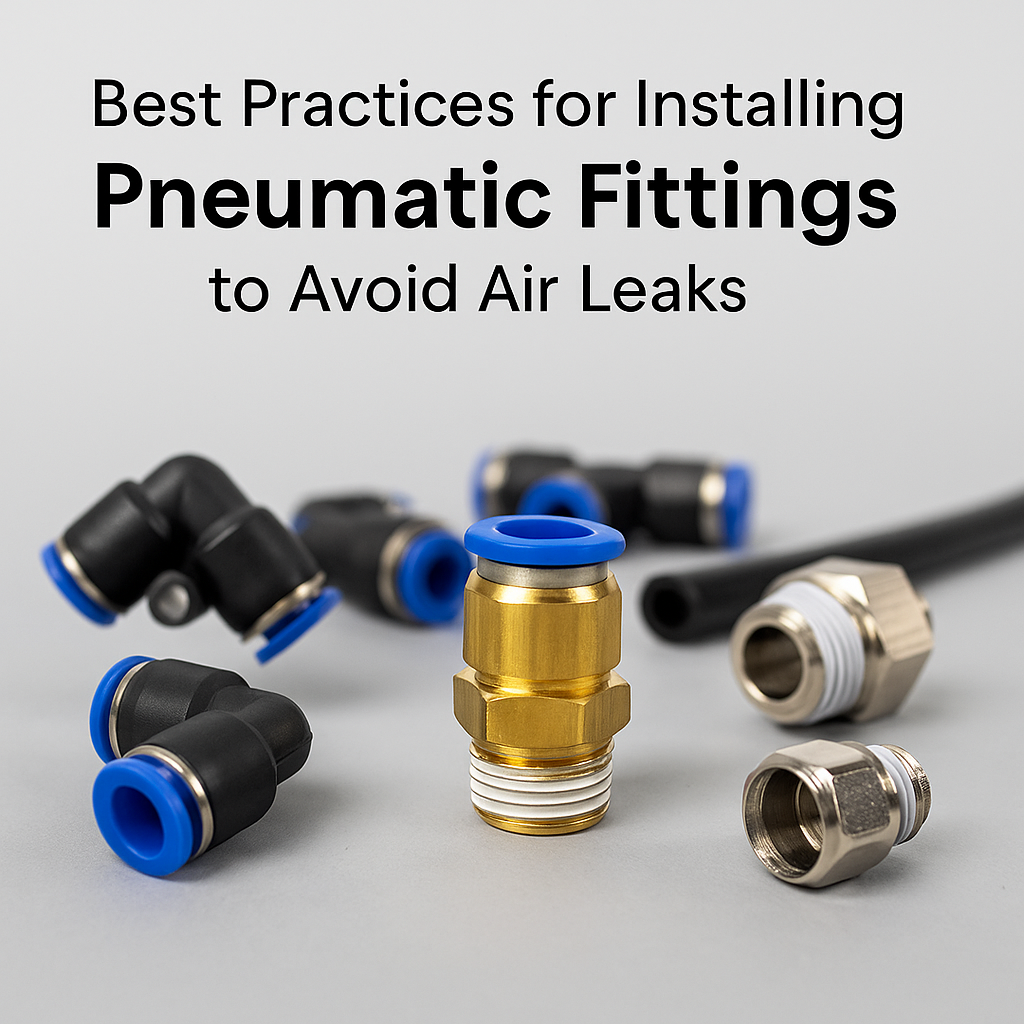
Air leaks in pneumatic systems are one of the most overlooked causes of energy loss and equipment failure. When compressed air escapes due to poorly installed fittings, the system has to work harder to maintain pressure. This not only raises operational costs but can also reduce the lifespan of your air compressor and other components. The solution starts with understanding how to properly install and maintain pneumatic fittings, right from the beginning.
Understand the Role of Pneumatic Fittings in Your System
A pneumatic fitting connects the various parts of your air system—such as tubing, valves, cylinders, and tools. These fittings control how air moves from one point to another. A leak at any connection can affect flow rate, reduce tool efficiency, and even lead to sudden pressure drops. Ensuring the correct type and installation of each fitting is key to a reliable and leak-free setup.
Choosing the Right Pneumatic Fitting for the Job
Pneumatic fittings come in different designs depending on the nature of the application. You’ll find options like push-in, threaded, compression, and quick-connect fittings. Each type offers unique advantages, but the key is to choose based on how the system operates.
If your setup includes frequent tool changes, quick-connect fittings are ideal. For fixed installations with minimal vibration, compression or threaded fittings provide a more secure seal. Push-to-connect options are user-friendly but must be installed with care to avoid under-insertion.
Always match the fitting to the tubing type and size. A mismatch—even by a small margin—can cause internal gaps that lead to invisible leaks. Also, remember that fittings made for polyurethane tubing won’t perform well with harder materials like nylon.
Inspect Threads and Sealing Surfaces Before Installation
Before installing any fitting, inspect the threads and contact surfaces. Look for:
- Dents, rust, or burrs on the threads
- Dirt, oil, or moisture on the sealing surface
- Excessive wear from previous use
Clean surfaces help ensure a tight seal. When using Teflon tape, wrap it in the same direction as the thread and keep the first thread bare to prevent tape from entering the system.
Tube Insertion Must Be Deep and Clean
Push-to-connect fittings rely on proper insertion depth. One of the main causes of leaks is incomplete insertion, where the tube doesn’t reach the internal O-ring or sealing surface. Always push the tubing until you feel it hit the base. If you stop halfway, the fitting won’t grip properly.
Use a sharp cutter to make a straight, clean cut. An angled or crushed end won’t form a good seal. Also, avoid twisting the tubing as it enters the fitting, since this can loosen internal seals.
Avoid Overtightening the Fitting
Tightening a fitting too much can crack plastic components, crush O-rings, or strip threads. Each fitting comes with torque ratings, and it’s important to follow those. Metal fittings may seem stronger, but they too can distort under too much force.
If you’re installing a threaded fitting, a snug fit with proper sealant is enough. Over-tightening rarely improves the seal and often causes more problems in the long run.
Confirm Air-Tight Seals with Soapy Water
A fast and effective way to check for leaks is the soapy water method. After installation:
- Spray a light soap-water mix onto each fitting and tube connection
- Look for bubbles forming. Even small leaks will produce foam
- Tighten or reinstall any fitting that causes bubbling
For professional environments, ultrasonic leak detectors are more accurate. They work well in noisy factories where hissing sounds are hard to detect.
Plan for Environmental Challenges
Air leaks often appear later, due to changing temperatures or continuous vibrations. Hot and cold environments cause expansion and contraction, which can loosen seals. Similarly, vibration from nearby machines can slowly move fittings out of place.
If your system is exposed to movement, use vibration-resistant fittings or lock-seal thread types. Support the tubing with clips to prevent it from tugging at the connections during movement.
Think Ahead During System Layout
Future maintenance should be part of your initial layout planning. If fittings are hard to access or hidden behind other components, technicians will struggle to inspect or replace them.
Modular setups with easy-to-reach joints save time during service checks. Use labeled paths and mount quick-release couplings where regular inspections are required. This design approach not only saves labor but reduces the chance of accidental damage during maintenance.
Troubleshooting & Maintenance Tips
Even with the best installation practices, leaks can still develop over time. Here’s how to handle them effectively:
Troubleshooting Steps:
- Isolate the problem area: Shut down and test one section of the system at a time to locate the leak.
- Inspect for visible damage: Look for worn seals, cracked tubing, or bent fittings.
- Use detection methods: Spray soapy water or use an ultrasonic leak detector to find micro leaks.
- Replace faulty components immediately: Don’t delay replacing parts that show wear, even if the leak is minor.
Maintenance Routine:
- Quarterly visual inspections: Check for any dirt, cracks, or rust at all fitting points.
- Clean and lubricate as needed: Moving parts and O-rings may require lubrication.
- Change filters and seals regularly: Dirty filters cause pressure drops, while aging seals harden and crack.
- Keep a maintenance log: Track recurring leak points and component lifespans to anticipate problems.
Consistent upkeep prevents sudden breakdowns and extends the life of your pneumatic system. These checks also ensure your energy bills stay low by minimizing air loss.
The Bottom Line
A reliable pneumatic system doesn’t happen by chance. It’s the result of careful selection, correct installation, and routine inspections. Every fitting, seal, and connection plays a role in keeping your air supply clean, consistent, and cost-effective.
At SS Hussain, we understand the value of airtight systems and offer quality pneumatic fittings designed for precision, durability, and easy installation. Whether you’re upgrading your existing system or building a new one, our team is here to help you choose the right solutions and avoid costly leaks down the line.
Get in touch with SS Hussain today for expert advice and premium-grade pneumatic components that you can trust.