
-
Address: Shahrah-e-Liaquat,
Serai Quarters 74000, Karachi -
Call Us: +92 319 3961178
info@sshussain.com
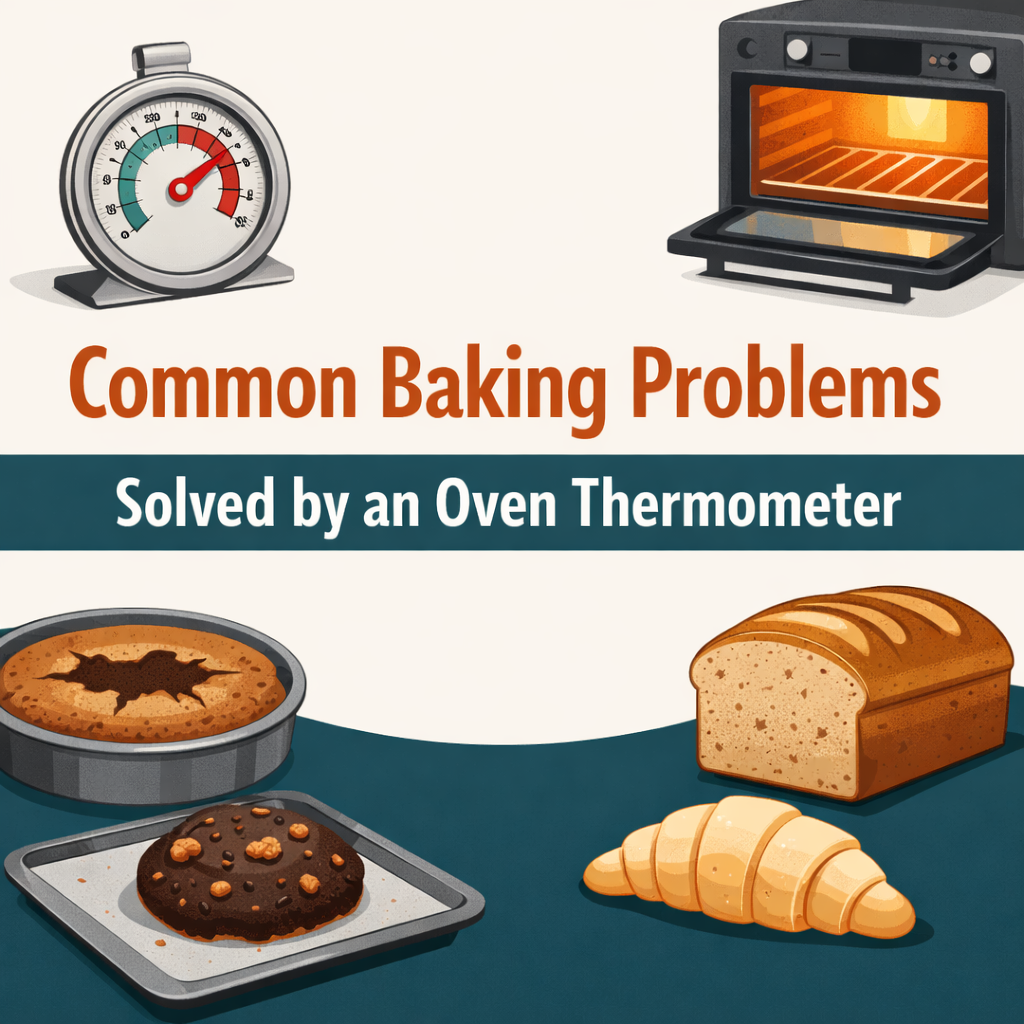
Baking can feel confusing when you do everything right and still get mixed results. You follow the recipe, measure carefully, and set the oven exactly as instructed. Still, the cake sinks, cookies burn underneath, or bread comes out dense. Many bakers assume they made a mistake somewhere.
In most cases, the recipe is not the problem. The oven temperature is.
Home ovens often heat differently than what the dial or screen shows. Even a small difference changes how food bakes. An oven thermometer helps you see the real temperature inside your oven so you can bake with confidence and consistency instead of guessing.
This guide walks through common baking problems and explains how an oven thermometer helps solve them in a simple and practical way.
What an oven thermometer shows that your oven display does not
An oven thermometer shows the actual heat inside the oven where your food is baking. The temperature on the oven display only shows the setting you choose. It does not reflect heat changes during baking.
Ovens heat in cycles. The temperature rises, drops, and rises again. Preheat indicators often turn off before the oven reaches stable heat. Over time, oven thermostats lose accuracy without warning.
An oven thermometer acts as a reference point so you know what temperature your food is really exposed to.
Why oven temperature affects baking results so much
Baking depends on heat reactions. Cakes rise and set based on temperature. Bread expands when heat activates yeast and steam. Cookies brown when sugars react to heat.
When the oven runs hot or cool, these reactions change. Even a small difference affects texture, shape, and moisture. This explains why the same recipe can give different results on different days.
An oven thermometer helps bring control back into the process.
Why cakes sink in the middle
A cake that sinks usually did not set in time. This happens when the oven temperature is lower than expected.
Low heat slows how the batter firms up. Air escapes before the structure holds, causing the center to collapse. This can happen even if the cake looks fine early on.
Using an oven thermometer helps confirm the oven is fully heated and stable before baking begins. Steady heat from the start allows the cake to rise evenly and hold its shape.
Why cookies burn on the bottom and stay light on top
Burnt cookie bottoms often come from excess heat near the bottom of the oven. This is common in gas and electric ovens.
An oven thermometer helps you see if the oven runs hotter than the setting. Lowering the temperature slightly often fixes the issue. Baking one rack higher also helps once you understand where heat builds up.
This makes cookie baking easier and more consistent.
Why bread turns dense or bakes unevenly
Bread needs the right heat at the right moment. If the oven is too cool, the dough does not rise well. If it is too hot, the crust forms too quickly and limits expansion.
An oven thermometer helps confirm the oven reaches the correct baking temperature before the bread goes in. This improves structure in sourdough, sandwich bread, and no knead loaves.
Many bakers also notice that opening the oven door drops the temperature more than expected. Watching the thermometer shows when the oven has recovered.
Why brownies and bars dry out too fast
Dry brownies usually come from excess heat rather than baking too long. High temperatures pull moisture out faster.
An oven thermometer helps lower the actual oven temperature so brownies bake evenly and stay moist. This applies to blondies, lemon bars, and tray bakes where texture matters.
Once temperature matches the recipe, baking times start to make sense.
Why pastries spread instead of rising
Butter-based pastries rely on steady heat. If the oven is cooler than expected, butter melts before steam forms inside the layers.
An oven thermometer helps confirm the oven is hot enough before baking croissants, puff pastry, and pie crust. This allows layers to rise instead of spreading flat.
Many pastry problems come from baking before the oven temperature stabilizes.
Why uneven browning happens in home ovens
Most ovens have hot spots. These areas brown food faster due to airflow and heating element placement.
Placing an oven thermometer on different racks over time helps you understand how heat moves inside your oven. This makes tray rotation easier and improves even browning.
Once you know your oven’s heat pattern, uneven results become easier to manage.
Why baking times often feel unreliable
Baking times assume the oven temperature is accurate. When the oven runs hot or cool, timing no longer matches the recipe.
An oven thermometer helps align real temperature with baking time. Cakes finish when expected. Cookies bake evenly. Bread timing becomes easier to judge.
This reduces wasted ingredients and repeat attempts.
Where to place an oven thermometer for best results
Place the oven thermometer on the rack you use most often, near the center of the oven. Avoid placing it close to oven walls or heating elements.
During testing, move it to other racks to learn how heat behaves. Leaving it inside during baking helps you notice temperature changes during the process.
Simple steps to check oven temperature
- Place the thermometer on the center rack
- Preheat the oven for about 15 minutes
- Check the thermometer reading
- Adjust the oven dial slightly if needed
- Let the temperature stabilize before baking
How to adjust your oven using thermometer readings
If the thermometer shows the oven runs hot, lower the setting slightly and wait for it to stabilize. If it runs cool, raise the setting slowly.
After a few bakes, the correct adjustment becomes clear. Recipes start working as written without changing ingredients or methods.
Conclusion
Many baking problems begin with inaccurate oven temperature. An oven thermometer helps you understand what is really happening inside your oven and fix it. Cakes rise evenly, cookies bake properly, bread develops better structure, and pastries hold their shape.
FAQs
How often should I check oven temperature with a thermometer?
Checking oven temperature once every few months is enough for most home bakers. It is also useful after moving, repairing the oven, or noticing changes in baking results. Regular checks help catch temperature drift early.
Can an oven thermometer help with baking at different rack positions?
Yes. Oven temperature changes depending on rack height. Heat is often stronger near the bottom and weaker near the top. An oven thermometer placed on different racks shows where heat concentrates, helping you choose the right position for cakes, cookies, bread, or pastries.
Should I leave the oven thermometer inside while baking?
Leaving the oven thermometer inside during baking helps you track temperature drops and spikes. This is useful when opening the oven door or baking multiple trays. It shows when the oven returns to the correct temperature before continuing the bake.