
-
Address: Shahrah-e-Liaquat,
Serai Quarters 74000, Karachi -
Call Us: +92 319 3961178
info@sshussain.com
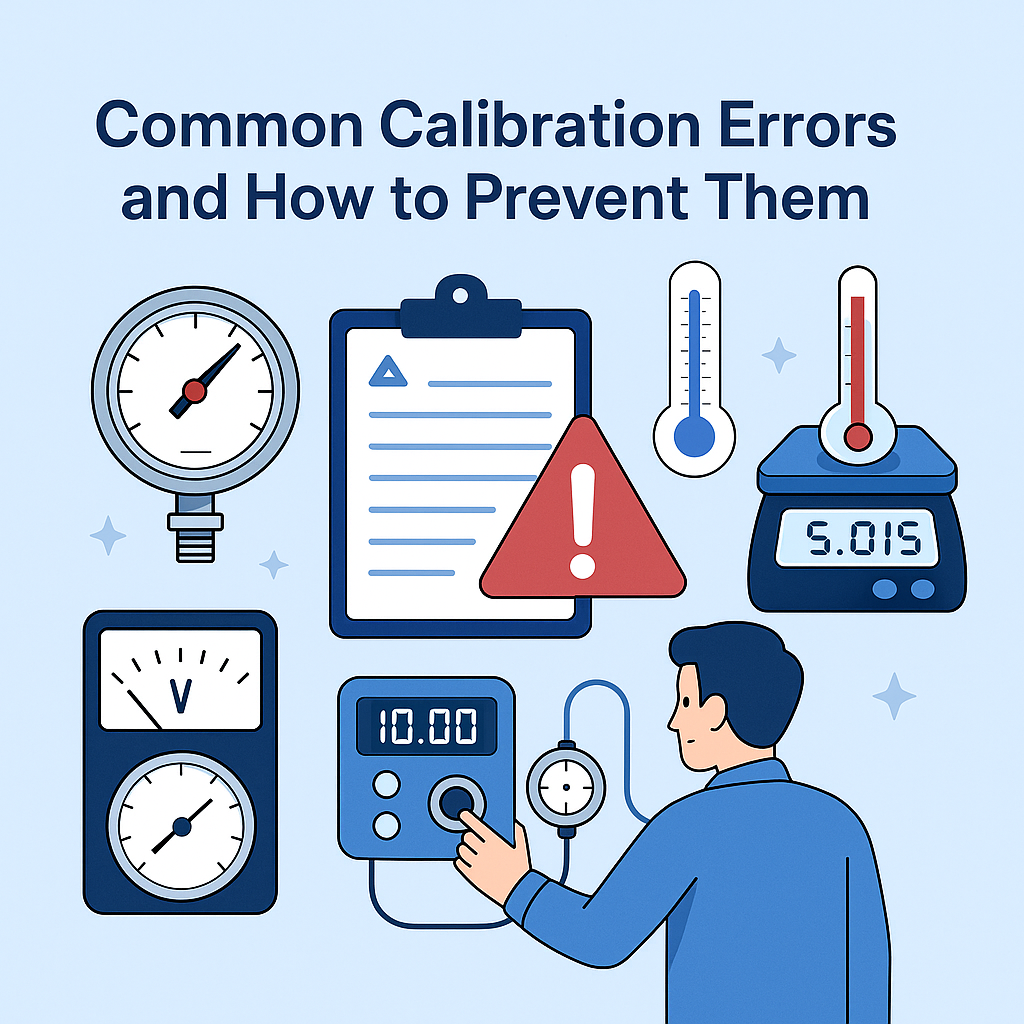
29Calibration is crucial for keeping your measuring instruments accurate, whether you’re working with pressure gauges, flow meters, or other precision tools. Regular calibration makes sure these devices provide reliable readings. But even with the best intentions, calibration can sometimes go wrong, leading to calibration errors that can compromise measurement accuracy.
These calibration errors can lead to incorrect readings, poor product quality, equipment damage, or even safety risks. For example, in pharmaceutical manufacturing, if a temperature sensor is miscalibrated, medicine could be stored at unsafe temperatures, risking its effectiveness. In industrial automation, an improperly calibrated pressure sensor might trigger false alarms or fail to detect dangerous pressure spikes. These mistakes don’t just cause inconvenience—they can lead to wasted materials, lost revenue, and potential safety hazards.
However, most calibration errors are preventable. By recognizing these common mistakes during calibration and following best practices, you can keep your instruments accurate and dependable. This guide will walk you through the most common calibration errors, explain their causes, and show you how to prevent them.
Understanding Calibration and Why It’s Important
Calibration means comparing a measuring instrument’s readings to a known standard and adjusting it if necessary. This process ensures that the instrument gives accurate readings in real-world situations. It’s essential in industries like healthcare, aerospace, manufacturing, and energy, where precise measurements matter.
Think of a medical thermometer; it must be calibrated to show accurate temperatures for patient care. In an industrial setting, pressure gauges need to be correctly calibrated to maintain safe system pressure. If these instruments aren’t properly calibrated, they can give false readings, leading to poor decisions, low product quality, or even accidents.
But calibration isn’t always done right. Errors can pop up at any stage, from preparation to the actual process. Understanding these calibration errors is the first step toward avoiding them.
Common Calibration Errors and What Causes Them
1. Using Incorrect Calibration Standards
One of the most common calibration errors is using the wrong calibration standard. A calibration standard should be traceable to a recognized authority. If the standard itself is inaccurate or outdated, it can cause calibration errors.
For instance, using an uncertified pressure gauge to calibrate another gauge means you’re likely to introduce errors in your process. If the standard gauge is even slightly off, every instrument you calibrate using it will also be inaccurate.
2. Environmental Factors Affecting Calibration
Calibration needs a stable environment. Conditions like temperature, humidity, vibration, and electromagnetic interference can impact results. If you calibrate an instrument in an environment that’s too hot, too cold, or too humid, the readings may be unreliable when the instrument is used elsewhere.
Imagine calibrating a temperature sensor in a humid room—moisture could form on the sensor, affecting its readings. Or, if you calibrate an electronic measuring device in an area with substantial electromagnetic interference, the readings may fluctuate.
3. Human Errors During Calibration
Calibration is a precise process, and small mistakes can cause big problems. These mistakes can include incorrect settings, poor techniques, or a lack of proper training.
For example, an inexperienced technician might use the wrong calibration method, position a sensor incorrectly, or misread the calibration instructions. Even a small mistake, like selecting the wrong range on a multimeter, can lead to inaccurate calibration.
4. Poor Condition of Calibration Equipment
The condition of your calibration equipment directly affects accuracy. If the calibration tools are damaged, dirty, or worn out, they can produce unreliable results.
A pressure gauge with a bent needle, an electrical calibrator with a loose connection, or a scale with dust-covered calibration weights can all lead to incorrect calibration. Regularly inspecting and maintaining your calibration equipment is essential.
5. Inadequate Calibration Frequency
Calibration isn’t a one-time task. Instruments need regular calibration to maintain their accuracy. However, calibrating too infrequently can cause accuracy to drift, while calibrating too often can waste time and resources.
The correct calibration frequency depends on the instrument type, how often it’s used, and how critical its measurements are. For example, a flow meter used in a chemical plant may need monthly calibration, while a thermometer in a warehouse might only require calibration once a year.
How to Prevent Calibration Errors
Preventing calibration errors starts with understanding what causes them and applying best practices:
1. Use Certified Calibration Standards
Always use standards that are traceable to recognized authorities like NIST or ISO. Make sure these standards are properly maintained and regularly calibrated.
2. Control Your Calibration Environment
Perform calibration in a stable environment with consistent temperature, humidity, and minimal interference. For sensitive instruments, use a dedicated calibration room.
3. Train Your Calibration Technicians
Proper training is crucial. Make sure your technicians understand calibration techniques, common mistakes, and how to follow calibration procedures accurately.
4. Regularly Inspect Calibration Equipment
Keep your calibration tools clean and in good condition. Regularly inspect them for damage, overtightening contamination, or wear, and replace any components that are no longer reliable.
5. Set a Clear Calibration Schedule
Establish a regular calibration schedule for all your instruments based on their use, importance, and manufacturer recommendations. For high-precision tools, consider shorter calibration intervals.
Best Practices for Accurate Calibration
- Document Every Calibration: Keep a detailed record for each instrument, including the date, standard used, technician’s name, and results.
- Double-Check Calibration Settings: Before you start, make sure the instrument’s settings, range, and units are correct.
- Use Automated Calibration Systems: For critical instruments, automated systems can reduce human error.
- Regularly Update Calibration Procedures: Keep your calibration methods in line with the latest standards and manufacturer guidelines.
- Perform Verification Checks: After calibration, test the instrument against a known reference value to confirm its accuracy.
Conclusion
Calibration is essential for keeping your measuring instruments accurate and reliable. However, even a simple mistake can cause calibration errors, leading to inaccurate readings, wasted resources, or safety risks. By understanding the common causes of calibration errors and following best practices, you can keep your instruments performing at their best.
Need professional calibration services you can trust? Contact SS Hussain for expert calibration solutions that keep your instruments accurate and dependable.