
-
Address: Shahrah-e-Liaquat,
Serai Quarters 74000, Karachi -
Call Us: +92 319 3961178
info@sshussain.com
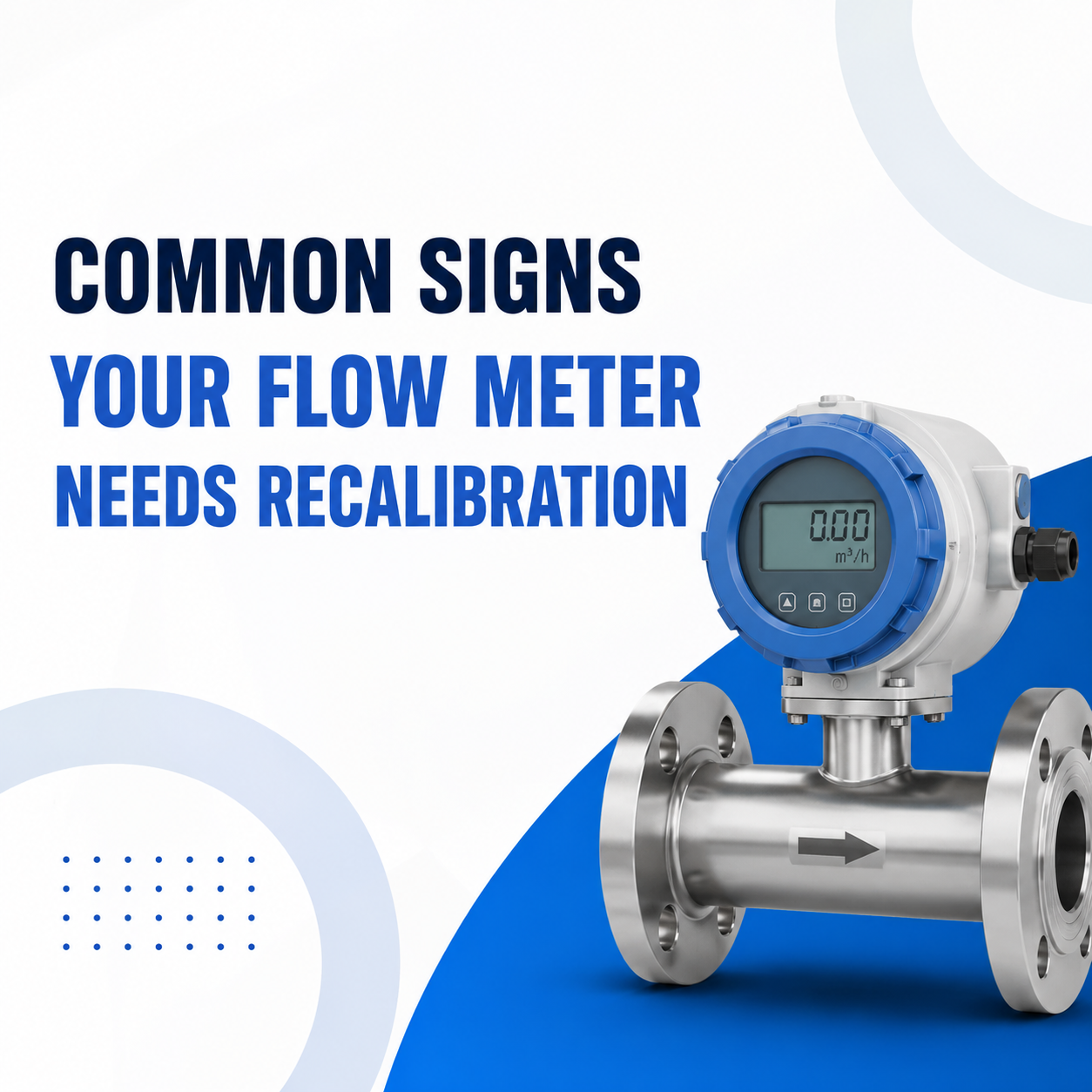
A flow meter can be wrong for weeks or even months before anyone notices. The display looks normal, the numbers keep changing, and production carries on as usual. Then a tank fills faster than expected, chemical usage starts creeping up, or product quality begins to vary from batch to batch.
That is usually when people start asking the same question: Is the flow meter still accurate?
The answer often comes down to calibration. Knowing the warning signs early can save time, reduce waste, and help avoid bigger problems later.
What Causes a Flow Meter to Lose Accuracy?
No flow meter stays perfectly accurate forever. Every meter is exposed to conditions that can slowly affect its performance.
Temperature changes, pressure fluctuations, vibration, pipe deposits, sensor wear, and aging electronics can all influence measurement accuracy. In some industries, minerals, scale, sludge, or product residue build up inside the line and affect how the meter reads flow.
The change is usually gradual. A flow meter rarely wakes up one morning and becomes completely inaccurate. The reading drifts little by little until the difference becomes large enough to affect operations.
This is why regular flow meter calibration and flow meter verification are important parts of industrial instrument maintenance.
How Can You Tell if a Flow Meter Needs Recalibration?
The easiest clue is when the numbers on the screen stop matching what is happening around them.
A tank may fill faster than usual. A process may use more raw material than expected. Production output may not match recorded flow data. When actual process conditions and flow meter readings tell different stories, calibration should be checked.
Many calibration issues are discovered when operators compare flow meter data with tank levels, inventory records, batch reports, or pump performance figures.
Flow Readings Keep Moving Up and Down
Every process has some variation, but stable operating conditions should produce reasonably stable readings.
If the flow meter display keeps fluctuating while pumps, valves, and production settings remain unchanged, something may be affecting measurement accuracy.
Sometimes the cause is calibration drift. Sometimes it is buildup on the sensor. In other cases, electrical issues may be involved.
A useful habit is to compare today’s readings with historical data. If the process is running the same way but the readings look very different, it is worth investigating.
The Meter Shows Flow Even When Everything Is Off
This is one of the easiest signs to spot.
When pumps are stopped and valves are closed, the flow meter should return to zero or remain within its specified tolerance range. If it continues showing flow when nothing is moving, calibration drift may be developing.
This issue can also point to sensor contamination or electronic faults. Either way, it deserves attention before it starts affecting production data.
Why Can Product Quality Change When a Flow Meter Is Inaccurate?
Flow meters play a direct role in many manufacturing processes. They control how much water, chemical, fuel, ingredient, or additive enters a process.
When measurements become inaccurate, the actual amount being added may no longer match the target amount. Even a small difference can affect the final result.
In food production, this may change texture, consistency, or fill levels. In chemical manufacturing, it may affect concentration and formulation accuracy. In water treatment plants, it can lead to incorrect chemical dosing.
When quality issues appear and the cause is unclear, flow measurement accuracy should always be part of the investigation.
Why Do Utility Costs Start Increasing?
Unexpected increases in water, steam, gas, fuel, or chemical consumption sometimes have a simple explanation: the flow meter is no longer measuring correctly.
A meter that reads lower than actual flow can lead operators to increase usage unnecessarily. A meter that reads higher than actual flow can create inaccurate production records and hide waste that would otherwise be noticed.
One small calibration error may not seem significant. Over thousands of operating hours, that same error can translate into substantial material loss and higher operating costs.
This is one reason why flow meter calibration services are commonly scheduled even when no obvious problems exist.
Why Are False Alarms Becoming More Common?
Many automated processes depend on flow measurements to trigger alarms and control equipment.
As calibration drift increases, alarm settings may react to incorrect data. Operators begin seeing warnings that do not reflect actual process conditions.
Frequent false alarms create confusion and consume valuable troubleshooting time. They can also make it harder to identify genuine process issues when they occur.
If alarm activity suddenly increases without any major process changes, checking flow meter accuracy is a sensible next step.
When Should a Flow Meter Be Checked After Maintenance?
Any significant process change should be followed by a calibration check.
New pumps, replacement valves, modified pipework, pressure changes, and different process fluids can all influence flow conditions. Even if the flow meter itself was never removed, these changes can affect measurement performance.
A quick calibration verification after maintenance can prevent weeks of inaccurate readings from going unnoticed.
How Often Should a Flow Meter Be Recalibrated?
The answer depends on the application.
A flow meter measuring clean water may require less frequent calibration than one handling steam, chemicals, slurry, or abrasive products. Environmental conditions also play a role.
Most manufacturers provide recommended calibration intervals, but actual schedules are often adjusted based on operating history and process requirements.
Facilities that rely heavily on accurate flow measurement typically treat calibration as preventive maintenance rather than waiting for problems to appear.
What Happens If Flow Meter Recalibration Is Ignored?
The effects usually start small.
A few percentage points of measurement error may not seem alarming at first. Over time, those errors can affect inventory records, production reports, product quality, material consumption, and operating costs.
The longer the issue remains unnoticed, the harder it becomes to determine when the problem started and how much impact it had on the process.
Regular calibration helps catch these issues early while they are still easy to correct.
Conclusion
Flow meters usually give clear warning signs before measurement errors become serious. Fluctuating readings, unexpected increases in utility usage, product quality changes, false alarms, incorrect zero-flow readings, and differences between recorded data and actual process performance should never be ignored.
A calibration check today can prevent unnecessary costs, production issues, and troubleshooting headaches tomorrow. If you’re seeing any of these signs, the team at SS Hussain can help assess your flow meter accuracy and recommend the right solution. A quick inspection now could save a great deal of time, product, and money later.
FAQs
How accurate should a flow meter be before recalibration is needed?
The acceptable accuracy depends on the application. In many industrial processes, even a small measurement error can affect product quality, material usage, or operating costs. If accuracy falls outside the manufacturer’s specified tolerance, recalibration is recommended.
Can a dirty flow meter affect its readings?
Yes. Scale, sediment, residue, and other deposits can interfere with sensors and change how the flow meter measures flow. Cleaning the meter and inspecting it regularly can help maintain accurate readings and extend its service life.
Does a flow meter need recalibration after being moved?
A calibration check is a good idea after relocating a flow meter. Changes in installation position, pipe configuration, vibration levels, or operating conditions can affect measurement performance and accuracy.
What is the difference between flow meter calibration and flow meter verification?
Flow meter verification checks whether the meter is performing within an acceptable range. Calibration goes a step further by comparing the meter against a known standard and making adjustments if inaccuracies are found.