
-
Address: Shahrah-e-Liaquat,
Serai Quarters 74000, Karachi -
Call Us: +92 319 3961178
info@sshussain.com
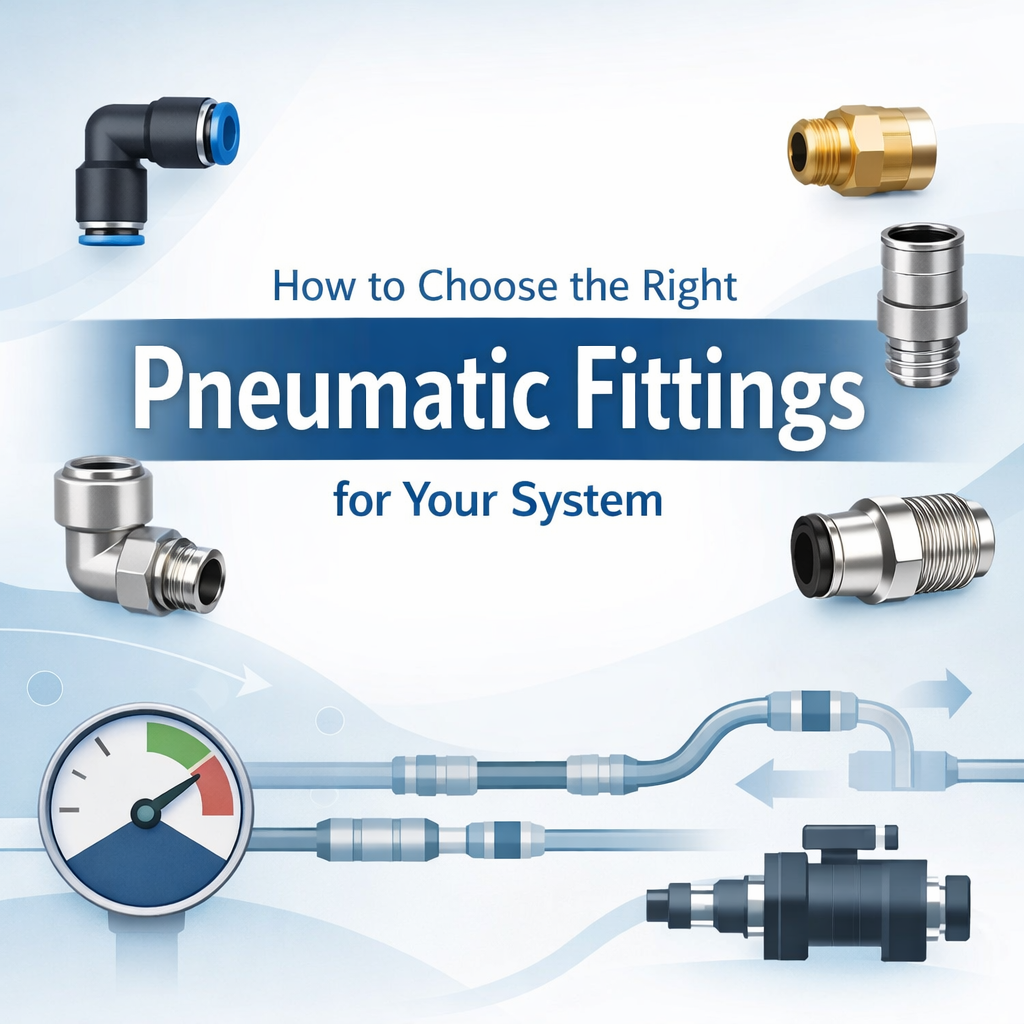
Pneumatic fittings are the small connections that hold an entire compressed air system together. They connect air tubes to valves, cylinders, regulators, and tools. When pneumatic fittings are chosen correctly, air flows smoothly, pressure stays stable, and machines respond the way they should. When they are chosen poorly, air leaks, pressure drops, and systems start acting unpredictable.
If you have ever dealt with slow actuators, weak air tools, or unexplained air loss, the issue often starts at the fittings. This guide walks you through everything you need to know about pneumatic fittings in a clear and practical way, so you can choose once and not worry again.
What pneumatic fittings actually do in a compressed air system
Pneumatic fittings hold air pressure while allowing compressed air to move from one point to another. Every time air passes through a fitting, its speed and direction change slightly. If the fitting is poorly designed or incorrectly sized, airflow becomes uneven.
Uneven airflow creates pressure loss. Pressure loss means cylinders move slower, tools feel weaker, and compressors run longer to make up for it. High-quality pneumatic fittings are shaped internally to guide air smoothly and reduce resistance. This helps keep pressure consistent at the point of use.
That is why fittings that look similar on the outside can behave very differently once installed.
How pneumatic fittings affect airflow and pressure stability
Air does not move through a system in a straight line. Inside pneumatic fittings, air curves, expands, and contracts. Rough internal surfaces or sharp internal corners disturb airflow and create turbulence.
Turbulence reduces air efficiency and causes pressure drop. Over long air lines, these small losses stack up and become noticeable. Machines start lagging, and energy use increases.
Well-made pneumatic fittings have smooth internal paths that allow air to pass evenly. This improves response time, keeps pressure steady, and reduces load on the compressor.
How to choose the correct tube size for pneumatic fittings
Tube size must match the fitting size exactly. Pneumatic fittings are designed for specific tube outer diameters, not approximate sizes. Even a small mismatch prevents the internal seal from gripping evenly.
Metric and inch tubing should never be mixed. A tube may fit physically but fail to seal properly once pressure builds. This causes slow leaks that are hard to detect.
Tube material also matters. Flexible polyurethane tubing works well with push-to-connect pneumatic fittings because it compresses slightly for a tight seal. Nylon tubing is stiffer and holds shape better, but it requires clean, straight cuts to protect the seal.
A straight, clean tube cut helps the fitting seal correctly and last longer.
Which pneumatic fitting material works best for different environments
The material of pneumatic fittings should match the working environment.
Brass pneumatic fittings are commonly used in general industrial air systems. They handle pressure well and resist corrosion in dry indoor conditions.
Stainless steel pneumatic fittings are better for wet air, outdoor use, food processing, and chemical exposure. They resist rust and surface damage where cleaning or moisture is common.
Plastic pneumatic fittings are suitable for clean, low-pressure automation systems. They reduce weight and installation time but should not be used near high heat or heavy vibration.
Choosing the right material helps fittings stay reliable and reduces unexpected failures.
How pressure changes affect pneumatic fittings over time
Compressed air systems rarely operate at one steady pressure. Startup cycles, valve switching, and machine loads cause pressure to rise and fall constantly.
Pneumatic fittings that are rated too close to operating pressure wear out faster. Seals lose flexibility, threads loosen, and leaks appear gradually.
Using pneumatic fittings with higher pressure ratings gives breathing room during pressure changes. This improves sealing life and keeps air delivery stable.
Temperature also plays a role. Warm air expands and increases internal stress. Cold air stiffens seals. Fittings designed for wider temperature ranges handle these changes better.
How system layout influences pneumatic fitting selection
System layout decides how much stress fittings experience. Forcing air tubes to bend sharply puts pressure on the fitting connection and damages seals.
Straight pneumatic fittings work best when tubing lines up naturally. Elbow fittings reduce tube strain when direction changes are needed and improve airflow.
Swivel pneumatic fittings are useful where parts move, such as cylinders and robotic equipment. They allow rotation without twisting the tube, which prevents fittings from loosening.
Bulkhead pneumatic fittings create secure connections through panels or machine walls and help keep air lines organized.
How thread types and sealing methods affect leak prevention
Pneumatic fittings use different thread types, including BSP, NPT, and metric threads. These threads seal differently and should never be mixed.
Some pneumatic fittings seal on the threads using sealant. Others seal with an internal O-ring. Applying thread sealant where an O-ring is used can prevent proper sealing.
Tightening pressure matters as well. Over-tightening damages threads and seals. Under-tightening allows air to escape slowly. Clean threads and correct torque help fittings seal properly.
How air quality impacts pneumatic fitting performance
Compressed air carries moisture, oil mist, and fine particles. These contaminants pass through pneumatic fittings continuously.
Rough internal surfaces trap moisture and particles, which speeds up seal wear. Smooth internal finishes reduce buildup and support steady airflow.
In automation and control systems, fitting quality directly affects pressure accuracy and response time. Clean air and good fittings work together to keep systems stable.
Proper air filtration protects pneumatic fittings and extends their service life.
What maintenance signs tell you fittings are not right
Pneumatic fittings should stay tight without frequent adjustment. If fittings loosen often or seals need replacement repeatedly, the sizing, material, or installation is likely incorrect.
Push-to-connect pneumatic fittings make tube changes faster and reduce downtime. Fittings with replaceable seals last longer and lower replacement costs.
Checking for small air leaks during routine inspections helps catch issues early and reduces energy loss.
Why the source of pneumatic fittings matters
Pneumatic fittings may look simple, but precision manufacturing makes a big difference. Poor machining and low-quality seals fail quickly under real working conditions.
Reliable suppliers test pneumatic fittings for pressure cycles, vibration, and temperature changes. This testing reflects how fittings perform in actual industrial systems.
Consistent quality improves reliability and reduces unexpected downtime.
Conclusion
Choosing the right pneumatic fittings keeps your air system steady, efficient, and trouble free. When fittings match the tube size, pressure, environment, and layout, air flows better and equipment works the way it should. Small connection choices often decide how reliable a system feels over time.
If you want pneumatic fittings that fit properly, seal consistently, and hold up in real operating conditions, SS Hussain is here to help. Share your application details, and our team will guide you to fittings that work right from the start and stay reliable long after installation.
FAQs
How do I know if my pneumatic fittings are causing pressure loss?
Pressure loss from pneumatic fittings usually shows up as slower actuator movement, weak air tools, or uneven machine response. If the compressor runs longer than usual or tools feel inconsistent at the same pressure setting, fittings may be restricting airflow or leaking slightly. Checking connections with a leak detection spray often reveals the issue early.
When should pneumatic fittings be replaced instead of reused?
Pneumatic fittings should be replaced when seals lose flexibility, threads feel loose, or fittings no longer hold pressure after proper tightening. Reusing damaged fittings often leads to recurring leaks. In systems with frequent tube changes or vibration, replacing fittings during maintenance prevents larger air losses later.
Can the wrong pneumatic fitting increase energy costs?
Yes, incorrect pneumatic fittings can increase energy use. Small leaks or internal airflow restriction force compressors to work longer to maintain pressure. Over time, this raises electricity costs and shortens compressor life. Properly sized and well-sealed pneumatic fittings help reduce unnecessary air loss and energy waste.
Are push-to-connect pneumatic fittings reliable for industrial use?
Push-to-connect pneumatic fittings are reliable when matched with the correct tube type and pressure rating. They work well in automation and industrial systems where clean tube cuts and proper installation are maintained. Regular inspection helps confirm that release collars and internal seals remain in good condition.