
-
Address: Shahrah-e-Liaquat,
Serai Quarters 74000, Karachi -
Call Us: +92 319 3961178
info@sshussain.com
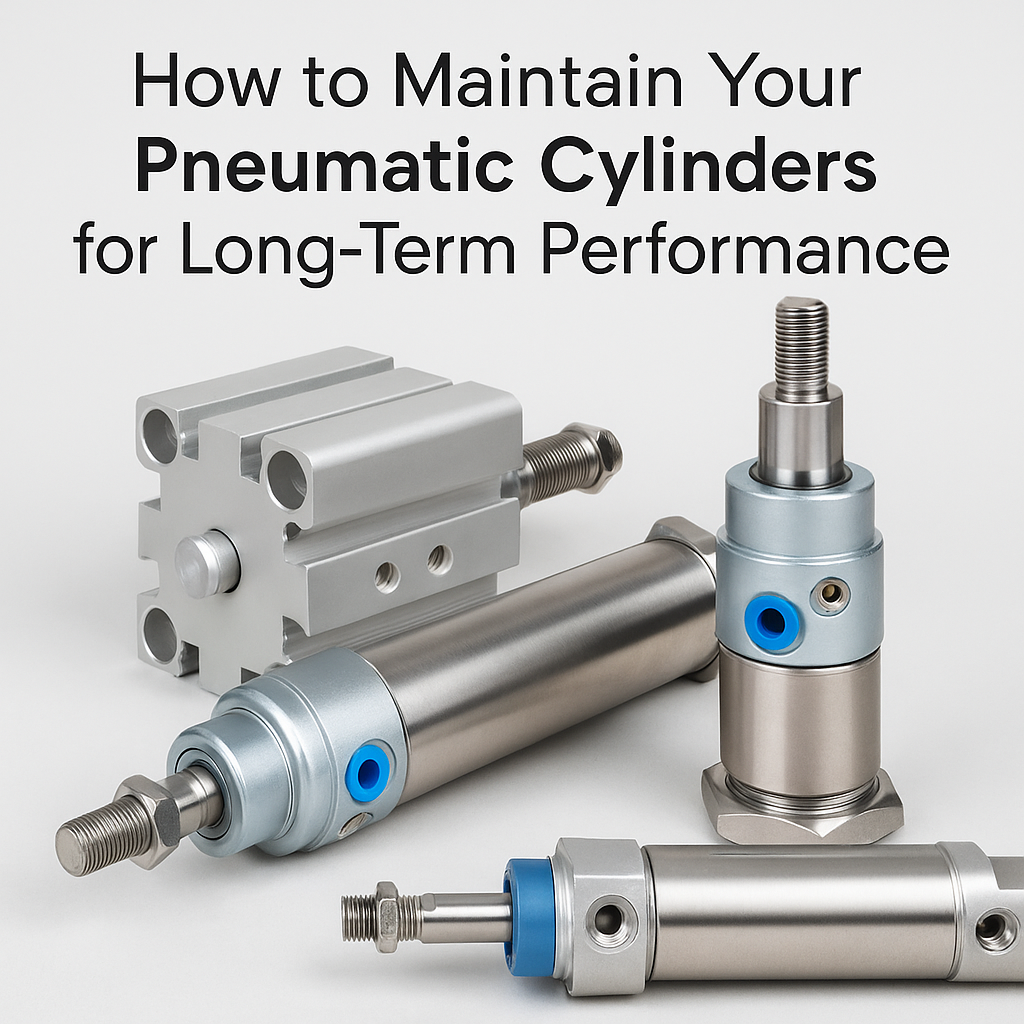
Pneumatic cylinders are one of the most used components in industrial automation. They’re responsible for converting compressed air into mechanical movement, powering everything from simple pick-and-place machines to large-scale assembly lines. While they are built for durability, pneumatic cylinders can wear down quickly without proper care. This leads to performance drops, air leaks, and costly downtime.
Maintaining pneumatic cylinders is not a complicated job, but it does require consistency and the right knowledge. A well-maintained cylinder can last for years and continue to operate with the same efficiency it had on day one. In this guide, we’ll go over practical steps and insights that can help extend the lifespan of your pneumatic system.
Know Your Pneumatic Cylinders Type and Application
Not all pneumatic cylinders are the same. Before setting up a maintenance plan, you need to understand what type of cylinder you’re working with. This includes whether it’s single-acting or double-acting, compact or standard, rod or rodless. Each design has different components and servicing needs.
For example, a rodless cylinder may require more attention to seals and air tracks, while a basic single-acting cylinder needs more frequent checks on the return spring. The environment also matters. A cylinder used in a dusty or wet area will need more frequent cleaning and seal inspection than one used in a clean, dry space.
Understanding your application helps you spot early warning signs and allows you to plan servicing intervals more accurately.
Inspect Seals and Rod Surfaces Regularly
One of the first parts to wear out in pneumatic cylinders are the seals. Seals prevent air from escaping and keep contaminants from entering the cylinder. Over time, they can dry out, crack, or get worn down due to friction and pressure changes.
A quick visual inspection can tell you a lot. If you see oil buildup, unusual marks, or hear hissing sounds during operation, the seals may be leaking. Catching this early is important because worn seals can cause the piston to lose pressure, reducing output power.
Also, check the piston rod surface for scratches or corrosion. The rod moves in and out of the cylinder constantly, and any debris or surface damage can destroy seals faster and affect smooth motion.
Keep the Air Supply Clean and Dry
Air quality is a major factor in how long your pneumatic cylinders last. Compressed air often carries water vapor, oil mist, and small particles. If these reach the cylinder, they can damage internal parts, cause rust, and create blockages.
Install proper filtration and drying units in your air supply line. A basic setup should include a particulate filter, water separator, and lubricator. The filter traps dust and particles, the separator removes moisture, and the lubricator ensures smooth motion inside the cylinder.
Even with filters, always drain moisture traps regularly and replace filters on schedule. Many failures in pneumatic systems start with contaminated air, which is avoidable with consistent air line maintenance.
Use Correct Lubrication Practices
Lubrication reduces wear and helps internal parts move freely. Some cylinders come pre-lubricated and are designed to run without additional oil. Others require oil-injected air to perform well.
Using the wrong type of lubrication can cause seal swelling or failure. Over-lubricating can collect dust and clog ports. Always follow the cylinder manufacturer’s guidelines. If the system uses an inline lubricator, make sure it’s filled with the recommended oil and check it weekly.
In non-lubricated systems, avoid applying oil manually unless specified. Some advanced cylinders have internal lubrication that lasts thousands of cycles without needing any top-up.
Align the Cylinder Properly to Prevent Side Loading
Misalignment is one of the most common reasons for cylinder failure. If the cylinder isn’t mounted correctly or the load it’s pushing isn’t in a straight line, it causes side loading. This sideways pressure puts strain on the piston rod, bearing, and seals.
Over time, misalignment leads to uneven wear, seal damage, and bending of the rod. The fix is simple: use alignment tools during installation and check regularly for shifted mounts or worn brackets. If your application includes repeated side movements, consider using guided cylinders or external support rails to keep the motion on track.
Monitor Speed and Cushion Settings
Operating the cylinder at speeds too high for its design can cause impact damage during stroke ends. This wears down internal stops, seals, and mounts. Most cylinders come with built-in cushions or bumpers that reduce this impact.
Check the cushion settings regularly, especially after adjustments or during seasonal changes that affect air pressure. If the movement seems rough or you hear loud hits at stroke ends, fine-tune the cushions or add external shock absorbers to reduce strain.
Also, avoid sudden air surges by installing flow controls to manage cylinder speed. A smooth stroke reduces wear and prevents accidents.
Also Read: Simplified Guide: How to Use Pneumatic Cylinders
Watch for Unusual Noises or Movement
Cylinders are relatively quiet during normal operation. If you begin to hear new sounds like knocking, hissing, or grinding, treat it as a warning sign. These sounds can come from internal damage, dry seals, or air leaks.
Also, watch how the cylinder moves. If the motion is jerky or slower than normal, it could be due to internal friction, pressure loss, or a clog in the port. Investigate immediately to avoid deeper damage.
Small signs often point to problems that are still easy to fix. Ignoring them allows the damage to spread and results in more expensive repairs later.
Schedule Preventive Maintenance
Reactive maintenance only starts after problems appear. But by that point, the damage is done. A better approach is preventive maintenance, which follows a regular schedule for checks, cleaning, lubrication, and part replacement.
Build a checklist based on your cylinder type and usage pattern. Include:
- Visual checks of seals and rods
- Air pressure tests
- Lubricator oil levels
- Filter cleaning and replacement
- Cushion and speed control tests
Logging each service helps you track how the cylinder behaves over time. This makes it easier to predict when components need replacement and reduces surprise breakdowns.
Don’t Ignore the Environment
One often-overlooked part of maintenance is the surrounding environment. If your pneumatic cylinders operate in an area with dust, high humidity, extreme heat, or aggressive chemicals, the risk of failure goes up.
Protect your cylinder with covers, bellows, or special coatings. In dusty environments, dust can stick to lubricated rods and act like sandpaper on seals. In wet zones, rust can form on exposed parts, especially near fittings and mounts.
If the environment changes due to a process shift or season, update your maintenance plan to match. What worked last year may not work in new conditions.
Conclusion
Maintaining pneumatic cylinders isn’t just about preventing failure. It’s about protecting your investment, improving system efficiency, and reducing long-term costs. With the right care, even high-use cylinders can continue to perform reliably for years.
At SS Hussain, we offer a complete range of pneumatic cylinders and maintenance accessories designed for industrial reliability. Whether you’re setting up a new system or looking to improve the lifespan of your current setup, we can guide you with products that match your specific needs.
Contact SS Hussain today for expert advice, quality components, and support that keeps your operations moving smoothly. Let’s keep your cylinders in peak condition—cycle after cycle.