
-
Address: Shahrah-e-Liaquat,
Serai Quarters 74000, Karachi -
Call Us: +92 319 3961178
info@sshussain.com
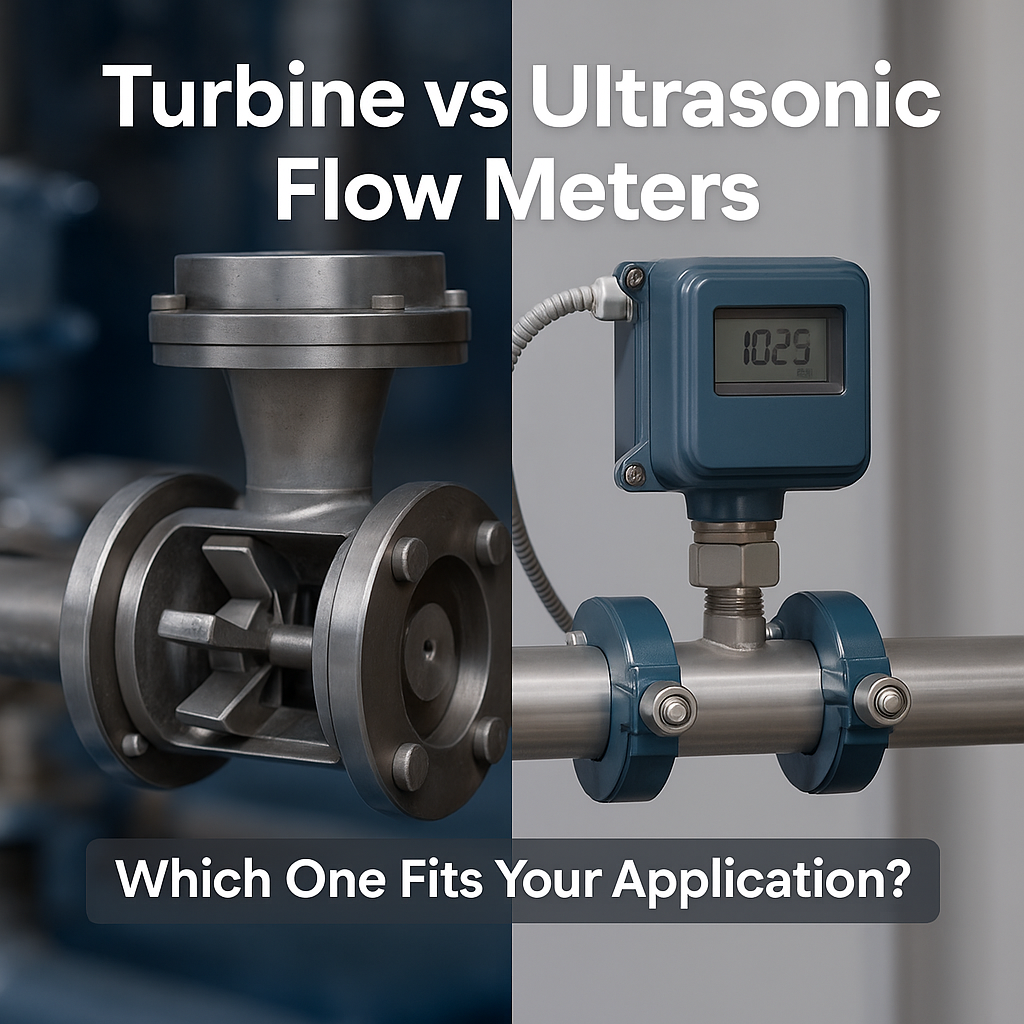
Measuring how much liquid or gas flows through a pipe is an important part of many systems. Whether you’re managing water, fuel, oil, or chemicals, you need a flow meter to get accurate readings. But not every flow meter works the same way.
Two of the most commonly used types are turbine flow meters and ultrasonic flow meters. Each one works differently, and both have their own pros and cons. Picking the wrong one can lead to bad readings, higher costs, and more maintenance.
This blog will explain how these two types of flow meters work, what kind of systems they’re best for, and how to choose the right one for your setup.
What Does a Flow Meter Do?
A flow meter measures how much liquid or gas moves through a pipe. This could be water, oil, chemicals, gas, or even air. These readings help with tasks like spotting leaks, tracking usage, calculating bills, or controlling systems.
But not every system uses the same fluid or pipe size. That’s why choosing the right type of flow meter matters. Each meter measures flow in a different way, and that affects how well it works.
How Turbine Flow Meters Work
Turbine flow meters have moving parts. Inside the meter, there’s a rotor with small blades. When liquid or gas flows through the pipe, it pushes the blades and makes the rotor spin. A sensor counts how fast it spins, and that number tells you how fast the fluid is moving.
Turbine meters work best when the flow is steady and the fluid is clean. If there are no particles or dirt, the rotor can spin smoothly. That’s why turbine meters are often used in fuel systems, water pipelines, or food processing plants.
But over time, the moving parts wear out. If solids, debris, or dirt enter the system, they can damage or block the rotor. This can affect the reading and lead to repairs.
How Ultrasonic Flow Meters Work
Ultrasonic flow meters don’t have any moving parts. They use sound waves to measure how fast the fluid is flowing. These meters have two sensors. One sends sound signals through the fluid, and the other receives them. When the fluid flows, the signal moves faster in one direction and slower in the other. The meter compares the time and calculates the flow speed.
There are two main types:
- Transit-time meters – Best for clean fluids.
- Doppler meters – Better for fluids that have air, bubbles, or particles.
One big advantage is that the sensors often sit outside the pipe (in clamp-on models), so the meter doesn’t touch the fluid. That means it can handle a wider range of liquids, including dirty or chemical fluids.
Which One Is More Accurate Over Time?
Turbine meters are very accurate when the fluid is clean and flows smoothly. In good conditions, they can give results with less than 0.5% error. But if the rotor gets worn out or the flow becomes unstable, the accuracy can drop quickly.
Ultrasonic meters usually stay accurate longer because there’s nothing inside to wear out. Most models give readings within 1% accuracy, and some do even better. They’re also good at reading slow or unsteady flow, something turbine meters struggle with.
So, if your system runs nonstop or handles different flow speeds, ultrasonic meters are a more stable choice in the long run.
Maintenance, Repairs, and Cost
At first, turbine meters cost less than ultrasonic ones. That makes them good for small budgets or short-term projects. But because they have moving parts, they need regular cleaning and repairs.
Over time, you’ll have to replace parts like the bearings or blades. And if your system needs to shut down for repairs, that adds even more cost.
Ultrasonic meters don’t need much maintenance. Since they don’t touch the fluid, there’s very little chance of clogging or damage. Once they’re installed, they usually keep working for years without trouble. So even though they cost more upfront, they can save money later.
Installation and Setup
Turbine meters need to be installed inside the pipe. That usually means stopping the flow and cutting the pipe. They also need a straight section of pipe before and after the meter to avoid flow problems. If there are bends or valves too close, the readings might be off.
Ultrasonic meters, especially clamp-on models, are much easier to install. You can attach them outside the pipe while the system is still running. There’s no cutting, no contact with the fluid, and no need to stop the flow.
This makes ultrasonic meters perfect for systems where downtime is costly or hard to arrange, like buried pipes or high-pressure lines.
Working in Harsh or Changing Conditions
If your system handles very hot fluids, changing pressure, or harsh chemicals, you need a meter that can handle it.
Turbine meters can work well when the fluid is clean and the temperature and pressure stay within safe limits. But if the fluid is thick, dirty, or corrosive, the moving parts can get damaged.
Ultrasonic meters are better for tough conditions. Since the sensors stay outside the pipe, they’re not affected by chemicals or extreme temperatures. They also work better in large pipes and high-pressure systems.
If you’re dealing with acids, hot water, slurry, or dirty fluids, ultrasonic meters are usually a safer choice.
Smart Features and Data Tracking
Modern ultrasonic meters often come with smart features. These include wireless data, cloud storage, and real-time tracking. That’s helpful if your system needs live monitoring or automated control.
Turbine meters can also be connected to digital systems, but they usually need extra parts to convert the signal, which adds to the cost and setup time.
So, if your setup depends on live data or remote control, ultrasonic meters are often easier to connect and use.
Things Most People Don’t Know
Ultrasonic meters offer a few hidden benefits that many people aren’t aware of:
- Pipe health check: Some models can spot problems in the pipe, like air leaks, buildup on the walls, or blockages. This helps you fix issues early before they grow.
- Two-way flow tracking: Some ultrasonic meters can track flow in both directions, which is helpful in systems where the flow can reverse.
Turbine meters can’t usually do this since their rotors only spin one way.
Which Flow Meter Should You Choose?
- If your system uses clean fluids, has steady flow, and you don’t mind doing maintenance, a turbine flow meter might work well. It’s cheaper and accurate in the right conditions.
- But if you want a meter that’s low-maintenance, lasts longer, and handles tough or changing conditions, an ultrasonic flow meter is a better option. It’s ideal for busy systems that can’t afford downtime.
Need Help Picking the Right Flow Meter?
Choosing between turbine and ultrasonic flow meters depends on your fluid type, pipe system, and how much time and money you want to spend on maintenance.
SS Hussain is here to make that choice easier.
We’re here to guide you with the best flow meter options for your system. Whether you’re running a factory, utility line, or commercial plant, we’ll help you find the exact solution for your needs.
Contact SS Hussain today and get expert advice for a smooth, reliable, and cost-effective flow setup.