
-
Address: Shahrah-e-Liaquat,
Serai Quarters 74000, Karachi -
Call Us: +92 319 3961178
info@sshussain.com
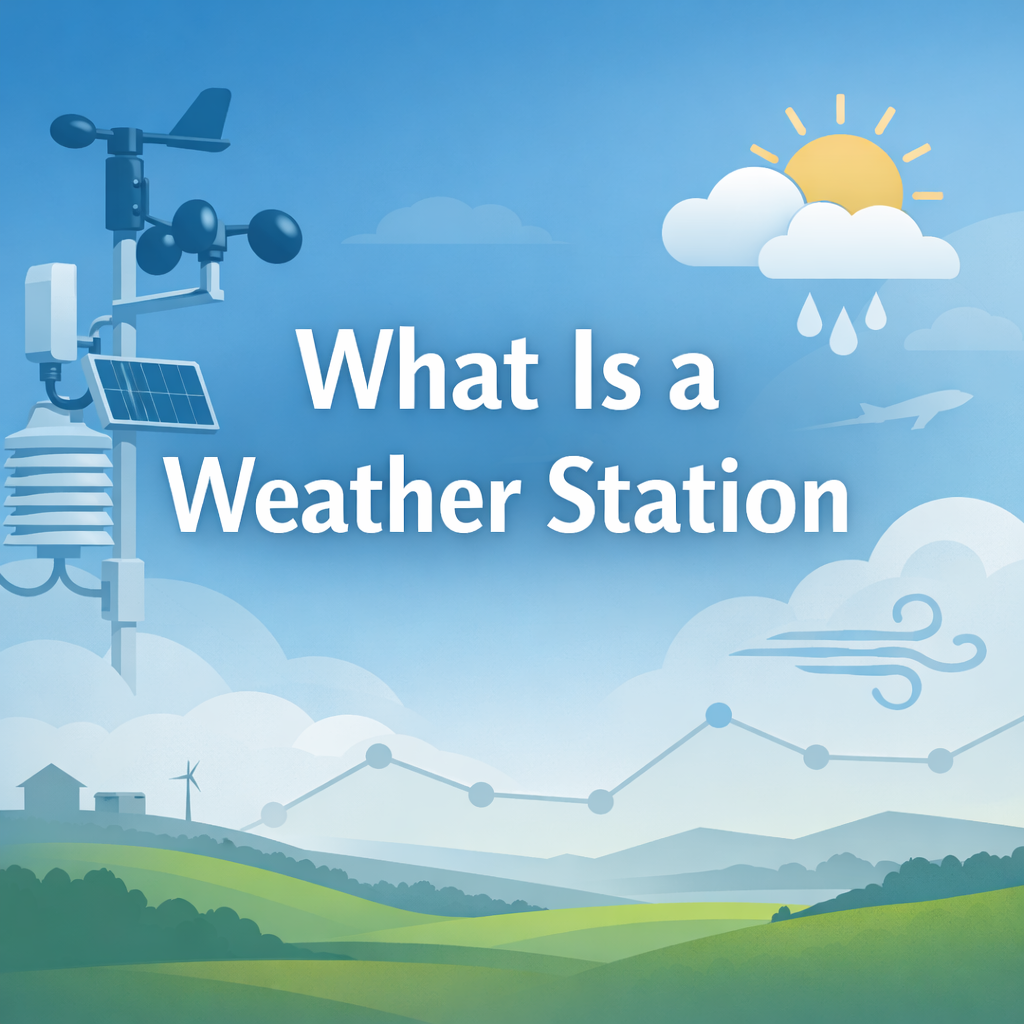
Weather affects small daily choices more than we realize. It decides when crops are watered, when construction work pauses, when flights change direction, and even how safe outdoor work feels. Most people check a weather app and move on. Some need something far more reliable. That is where a weather station comes in.
A weather station is a system that measures real weather conditions at one exact location. Instead of estimates, it records what is actually happening in the air around it. This makes weather stations trusted tools in farming, industry, research, and planning where accuracy matters every day.
What a weather station measures in real conditions
A weather station measures the core elements that define weather behavior.
It records air temperature to show how warm or cool the environment is. Humidity readings show how much moisture is present in the air, which affects comfort, rainfall chances, and crop health. Rainfall data tracks how much water has fallen over time. Wind speed and direction show how air moves across an area. Air pressure readings help detect upcoming weather changes early.
Each of these values gives useful information on its own. Together, they paint a clear picture of local weather patterns.
How a weather station collects and sends data
Weather stations use sensors designed to react to physical changes in the environment. When the air warms, the temperature sensor responds. When moisture levels change, the humidity sensor records it. Rain gauges collect rainfall, and wind sensors move with airflow to capture speed and direction.
All readings are sent to a data logger. This unit records the data with time stamps so patterns can be tracked over hours, days, and seasons. In automatic weather stations, data is sent to a display screen, mobile app, or online dashboard.
Some systems update every few seconds. This is useful when weather changes quickly, such as during storms or strong winds.
Manual and automatic weather stations explained simply
Manual weather stations depend on people. Someone checks the instruments and writes down the readings at fixed times. These are still used in schools and learning environments.
Automatic weather stations work continuously without human involvement. Sensors collect data all day and night and send it automatically. These stations are used in agriculture, airports, construction sites, power projects, and environmental monitoring because they provide steady and reliable data.
Where weather stations are used every day
Weather stations support many activities that rely on safe and timely decisions.
Farmers use weather station data to plan irrigation, protect crops from frost, and manage spraying schedules. Construction teams check wind speed and rainfall before lifting heavy equipment or pouring concrete. Airports rely on weather stations to track wind direction, visibility, and pressure changes for flight safety.
Energy projects use weather data to manage wind turbines and solar panels. Researchers depend on long-term weather station records to study climate behavior. Home users install personal weather stations to track local conditions that differ from city forecasts.
Why local weather station data is more reliable than weather apps
Weather apps rely on regional models that average conditions over large areas. A weather station measures conditions exactly where it is installed.
Local weather can change over short distances. Rain may fall heavily in one area and not reach another. Wind behaves differently around buildings and open land. Temperatures near roads and concrete surfaces often run higher than in green areas.
A weather station captures these local variations, which makes its data far more useful for on-site decisions.
How installation affects weather station accuracy
Accuracy depends on proper placement.
Temperature sensors placed near walls, metal surfaces, or direct sunlight can show higher readings. Rain gauges placed under trees or near obstructions may miss rainfall. Wind sensors installed too low or close to buildings may report lower wind speeds.
Installing sensors in open areas at recommended heights improves accuracy. Regular cleaning and calibration help keep readings consistent over time.
Power and connectivity options in weather stations
Weather stations can run on mains electricity, batteries, or solar power. Solar-powered weather stations are common in remote locations where grid power is unavailable.
Data can be transmitted using wired connections, radio signals, cellular networks, or the internet. Many modern systems store data locally as backup in case communication drops.
Remote access allows users to check weather data from anywhere, which is useful for large sites and off-location monitoring.
How weather stations show early signs of weather change
Weather stations often detect changes before weather shifts are visible.
A steady drop in air pressure can indicate approaching storms. Rising humidity can point to incoming rainfall. Sudden changes in wind direction may signal a shift in weather systems.
These early signals help users act ahead of time by adjusting schedules, securing equipment, or issuing warnings.
How weather stations support long-term weather tracking
Weather stations collect consistent data over long periods. This helps track trends in temperature, rainfall, and seasonal changes.
Long-term records support climate studies, environmental planning, and infrastructure design. Consistent data from one location provides reliable insight into how weather patterns evolve over time.
Choosing the right weather station for your needs
The right weather station depends on how it will be used.
Home users usually need basic measurements like temperature, rainfall, and wind. Agricultural users often require additional sensors for soil moisture and crop-related data. Industrial sites look for rugged systems with alerts and integration into safety systems.
Software compatibility matters. Many weather stations support data downloads, reports, and alerts. Systems that allow future sensor expansion offer flexibility as needs grow.
Conclusion
A weather station provides clear and reliable information about local weather conditions. It helps people plan better, reduce risks, and understand weather behavior using real data from the exact location where it matters.
FAQs
How accurate is a weather station compared to city weather reports?
A weather station is usually more accurate for a specific location because it measures conditions exactly where it is installed. City weather reports rely on regional data and averages, which may not reflect local changes caused by buildings, land surfaces, or open fields. For site-specific decisions, weather station data gives a clearer picture.
Can a weather station predict weather or only measure it?
A weather station does not predict weather on its own, but it provides the data needed to recognize patterns that lead to predictions. Changes in air pressure, humidity, and wind direction often signal upcoming weather shifts. When this data is analyzed over time, it helps users anticipate conditions earlier than visual signs.
How often does a weather station update its readings?
Update frequency depends on the system. Many automatic weather stations record data every few seconds or minutes. Faster updates are useful during rapidly changing conditions like storms or strong winds. Slower intervals may be enough for long-term monitoring and trend analysis.
Do weather stations work in extreme heat or heavy rain?
Weather stations are designed to operate in harsh outdoor conditions when built for professional use. Sensors are protected with housings that resist heat, moisture, dust, and corrosion. Proper installation and regular maintenance help keep readings stable even during extreme weather.