
-
Address: Shahrah-e-Liaquat,
Serai Quarters 74000, Karachi -
Call Us: +92 319 3961178
Email Us: info@sshussain.com
You check a gauge and the number looks fine. The system is running. Nothing seems wrong. But a few days later, the readings don’t match what you expected. Then you adjust something. Then it happens again.
This is how most accuracy problems begin.
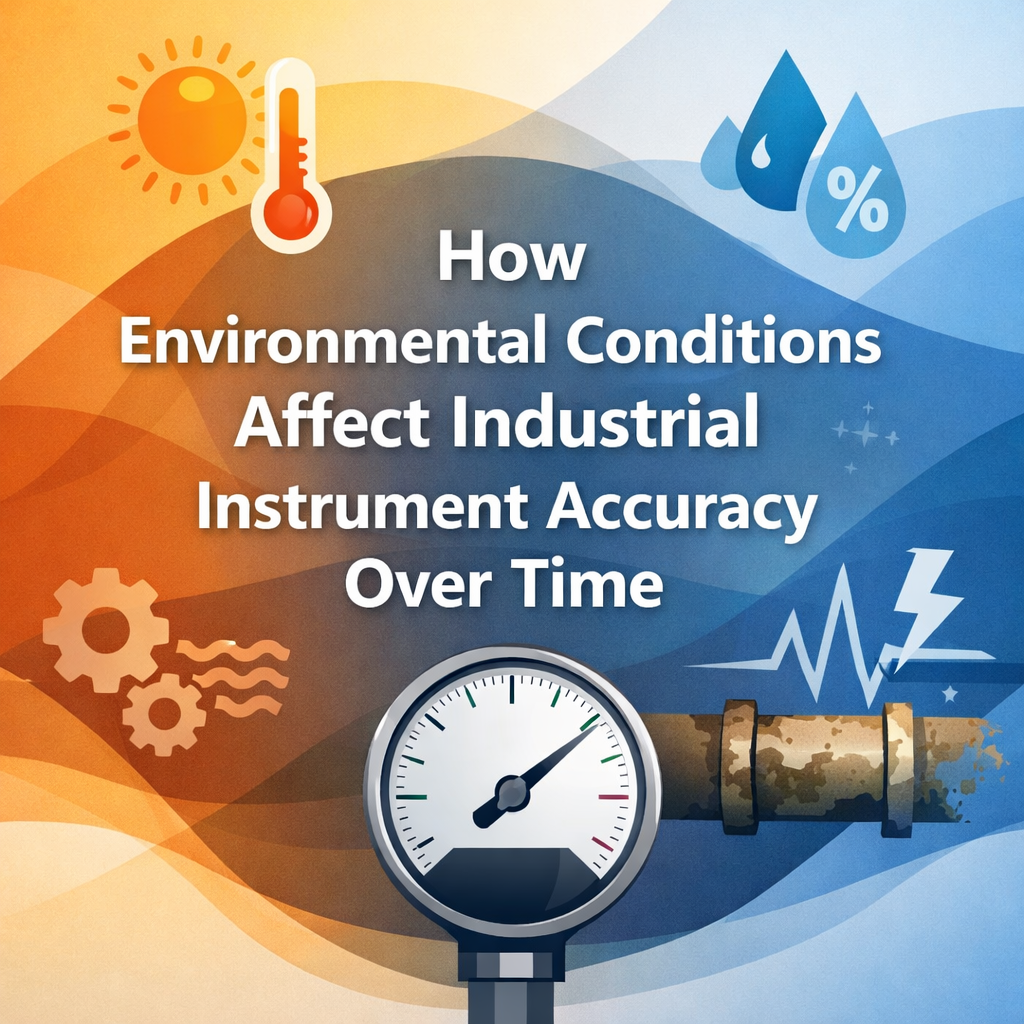
Industrial instruments typically fail gradually. And the main reason is the environment around them. Heat, moisture, dust, vibration, and even wiring can push readings away from reality over time.
Once you see how this happens, it becomes much easier to control.
What causes calibration drift in industrial instruments over time
Every instrument reacts to its surroundings. Internal parts expand, shrink, and wear out. Electronics respond to temperature. Seals age and let air or moisture in.
All of this leads to calibration drift. The instrument is still working, but the numbers are no longer exact.
Think about a pressure gauge sitting near a hot pipeline. It may read slightly higher than actual pressure. Not enough to raise alarms. But enough to affect decisions over time.
That small gap builds up. And suddenly your process is running on slightly wrong data every day.
How temperature changes affect instrument accuracy
Temperature plays a bigger role than most people expect.
When heat increases, parts inside the instrument expand. When it drops, they contract. These changes affect how sensors measure values.
Outdoor instruments deal with this every single day. Sun heats them up. Night cools them down. This constant cycle slowly shifts their internal balance.
There is also local heat. A flow meter near a motor or steam line can drift even if the room feels normal.
A small shift in temperature can lead to a noticeable change in readings over time. Keeping instruments away from direct heat and calibrating them at actual working conditions helps a lot.
How humidity and moisture affect sensor readings
Humidity allows water to enter tiny gaps in the instrument. Once inside, it affects circuits and connections. Readings may start to jump or behave oddly.
Condensation is even trickier. Warm air meets a cooler surface and water forms inside the device. This often happens outdoors or in areas with changing temperatures.
Another common path is through cables. If the entry point is not sealed properly, moisture travels inside along the wire.
Sealing, proper enclosures, and simple moisture control steps can prevent a lot of this.
How dust and contamination affect measurement accuracy
Dust can settle on sensors, block small openings, or collect inside pipelines. In flow meters, even a thin layer inside the pipe can change how fluid moves. That alone can shift readings.
When dust mixes with oil or moisture, it forms a sticky layer. This residue is harder to clean and affects sensor response for longer periods.
Regular cleaning makes a big difference here. Not when there is a problem, but before one starts.
How vibration affects industrial instrument readings
If your plant has heavy equipment, vibration is already part of daily operations.
That constant movement affects instruments more than expected. It loosens internal parts, affects connections, and creates small shifts in readings.
Sometimes readings start fluctuating even though the process is stable. That is often vibration, not a process issue.
Where and how the instrument is mounted matters a lot. A solid mount with some isolation can prevent many of these problems.
How corrosion affects long-term instrument accuracy
In certain environments, corrosion slowly eats away at instrument parts.
This is common in chemical plants, coastal areas, or places with harsh air. Over time, surfaces weaken and sensors lose sensitivity.
The tricky part is that the instrument may still look fine from outside.
Seals also wear down. Once they do, moisture and air get inside and speed up the damage.
Choosing the right material and checking instruments regularly helps avoid long-term issues.
How air pressure and altitude affect readings
Air pressure changes with location. Instruments calibrated in one place may behave differently in another.
This often shows up when instruments are calibrated off-site and then installed somewhere else.
The difference might be small, but in precise processes, even small changes matter.
Calibrating based on actual operating conditions helps keep readings accurate.
How electrical noise affects instrument signals
Industrial areas are full of electrical activity. Motors, drives, and power lines all create noise.
This noise can interfere with signals and cause readings to fluctuate or delay.
A common cause is cable placement. When signal cables run close to power cables, interference increases.
Simple fixes like shielded cables, proper grounding, and better routing can clean up the signal.
How aging affects industrial instruments over time
No instrument stays the same forever.
Parts wear out. Electronics lose efficiency. Calibration shifts slowly. The instrument still works, but the accuracy fades.
This is why regular calibration matters. It catches small changes before they grow into bigger problems.
If an instrument has been in service for years, it deserves a closer look even if it seems fine.
How to maintain industrial instrument accuracy in changing environments
Keeping accuracy stable is not complicated. It all comes down to consistency.
Place instruments in better locations. Protect them from heat, moisture, and vibration. Clean them regularly. Check calibration on time.
Keep records. If a device needs frequent adjustment, something in its environment is affecting it.
Basic maintenance checklist
| Task | Purpose |
| Regular calibration | Catch and correct drift |
| Cleaning sensors | Remove buildup |
| Checking seals | Block moisture entry |
| Inspecting mounts | Reduce vibration effects |
| Reviewing signals | Spot electrical noise |
When should industrial instruments be recalibrated
There is no fixed rule for every case. It depends on how the instrument is used and where it is installed.
Harsh environments need more frequent checks.
If readings feel off, respond early. Waiting usually leads to bigger issues.
A mix of scheduled checks and quick responses works best.
Conclusion
Environmental conditions shape how industrial instruments perform over time. Temperature, humidity, dust, vibration, corrosion, and electrical noise all play a role in shifting readings.
The changes are slow, which makes them easy to miss. But they affect data, decisions, and overall performance.
Want your readings to stay accurate without constant guesswork?
If your instruments are drifting, fluctuating, or just not giving you full confidence, it is time to fix the root cause. SS Hussain helps you get clear, accurate measurements with proper calibration, inspection, and practical solutions that fit your setup.
Reach out today and get your instruments back on track before small errors turn into bigger problems.