
-
Address: Shahrah-e-Liaquat,
Serai Quarters 74000, Karachi -
Call Us: +92 319 3961178
Email Us: info@sshussain.com
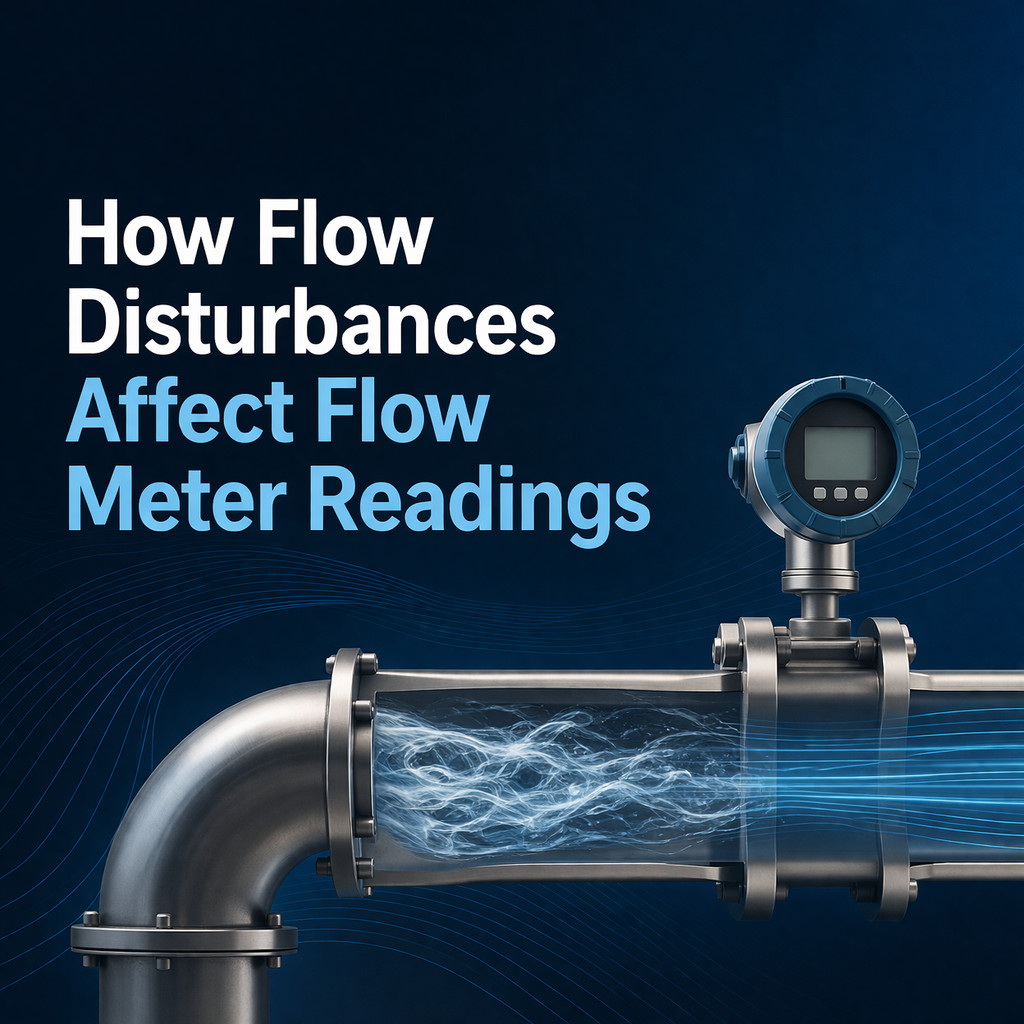
You install a flow meter, everything looks right, and you expect clean numbers. Then the readings start acting weird. Sometimes they don’t match actual usage, sometimes they keep shifting for no clear reason. It gets frustrating, especially when the meter itself seems perfectly fine.
In many cases, the problem is not the device. It is the way the fluid is moving inside the pipe. Flow does not always behave the way we expect, and even small changes can throw off readings. Once you understand how flow disturbance works, a lot of these issues become much easier to fix.
What flow disturbance really looks like inside a pipe
Inside a straight pipe, fluid settles into a pattern. The center flows faster, the edges move slower, and everything becomes stable after a short distance.
Now think about what happens when that flow hits a bend or passes through a valve. It doesn’t just continue smoothly. It starts to twist, spin, and shift sideways.
Instead of a clean, even flow, you now have an uneven pattern moving through the pipe. That is flow disturbance. And when this reaches your flow meter, the reading is no longer fully reliable.
Why flow meters start giving strange readings
Flow meters are built to read stable flow. When the flow becomes uneven, the meter still gives a number, but that number can drift away from reality.
Picture fluid moving at different speeds across the pipe. Some parts rush through, others slow down. The meter tries to make sense of this mixed signal.
A turbine meter might spin faster because of swirl. An ultrasonic meter might read a slightly different signal path. Even high-end meters like electromagnetic or Coriolis types can show small shifts when turbulence is strong.
This is where issues like inaccurate flow readings, pipeline measurement errors, and unstable flow meter data usually begin.
The usual suspects behind flow disturbance
Most pipelines already have things that disturb flow. It is part of how systems are built.
A simple pipe bend can create a swirl that travels quite far down the line. A valve that is not fully open can make the flow uneven. Pumps can add small pulses or vibrations.
When the pipe size changes, the flow speed changes too, which creates unstable zones inside the pipe.
Then there are the quieter issues. Over time, pipes collect buildup like rust or scaling. Even a slightly misfitted gasket can stick into the flow and disturb it.
All of these add up and affect how the flow behaves before it reaches the meter.
Why straight pipe length actually matters
This is one of the simplest fixes, and it works more often than people expect.
When flow travels through a straight section of pipe, it slowly settles back into a stable pattern. That is exactly what your flow meter needs.
Most meters work best with around 10 pipe diameters of straight length before them and about 5 after. It gives the flow enough room to calm down.
If the meter is installed right after a bend or valve, it is reading disturbed flow. That is where errors start creeping in.
Small things that can still mess with readings
Even when everything looks fine, a few small details can still affect results.
Air bubbles in liquid flow can confuse certain meters. Vibrations from nearby equipment can interfere with readings.
If the meter is slightly tilted, it can affect how it senses flow. Changes in temperature or pressure can also shift how the fluid behaves inside the pipe.
Individually, these may not seem like a big deal. Together, they can make your readings feel unreliable.
Simple ways to fix flow disturbance problems
Fixing this usually does not require major changes. It often comes down to placement and setup.
Move the meter a bit further from bends, valves, and pumps so the flow has space to settle. Add a straight pipe section if possible.
If space is tight, a flow conditioner can help straighten the flow before it reaches the meter. Cleaning the pipe also helps remove buildup that affects flow.
Check the alignment as well. A properly installed meter always performs better.
Conclusion
Flow disturbance is one of the main reasons behind inaccurate flow meter readings. It changes how fluid moves inside the pipe, and that directly affects what the meter sees.
The good part is that it is usually fixable. A better installation spot, enough straight pipe, and a clean flow path can make a big difference.
If you are dealing with readings that just don’t feel right, it might be time to look at your setup from a fresh angle. SS Hussain can help you get it sorted with the right flow meter and proper installation guidance, so your readings stay consistent and make sense every time.